
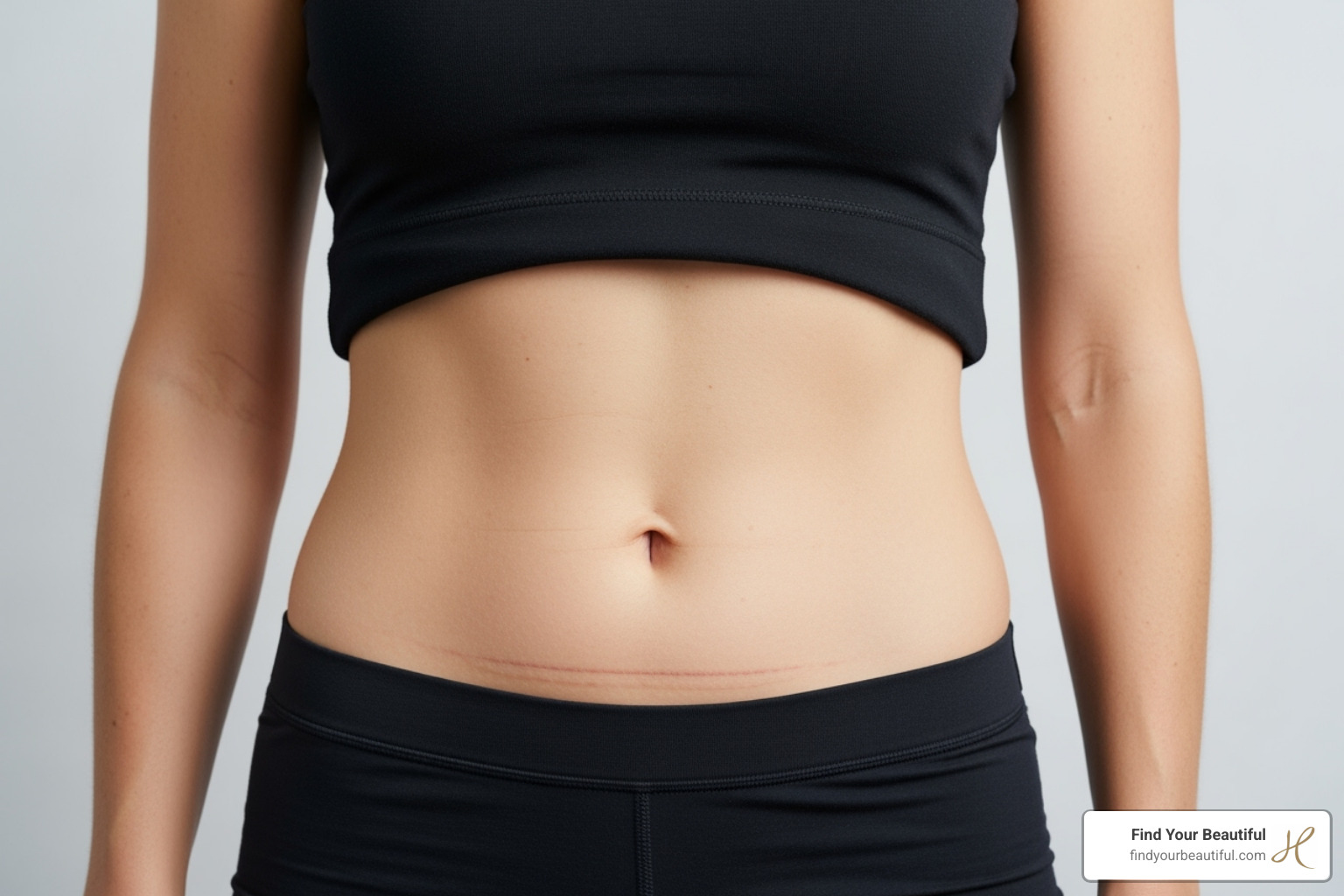

Abdominal wall reconstruction repairs weakened or damaged tissue in the abdomen, and surgeons often use it for large hernias or prior failed repairs. You need a clear plan before surgery. Since this procedure involves your muscles, skin, and internal support layers, preparation starts well before the operation date. Here is more information about preparation for this procedure:
Get a Medical Evaluation
Your surgeon will review your health history, and the visit often includes a physical exam. Bring your records. Since past surgeries affect scar tissue and anatomy, your team needs details about prior abdominal procedures, mesh placement, infections, and hernia repairs.
You may also need imaging, blood work, or heart and lung testing, and each result helps your team map the repair. Ask direct questions. Since some findings change the surgical plan, you need to understand what the scans show and what steps follow. Make a current medication list, and include prescriptions, supplements, and over-the-counter drugs.
Manage Weight
Excess weight may increase strain on the abdominal wall, and it may also affect wound healing. Set a realistic target. Since quick weight loss is hard to maintain, use a steady plan with your surgeon or primary doctor.
Track a few daily habits, and keep the process simple:
- Eat regular meals
- Limit sugary drinks
- Walk each day
Your routine matters. Since abdominal wall reconstruction works on stressed tissue, gradual weight changes may help lower pressure on the repair area.
Quit Smoking
Smoking reduces blood flow, and nicotine affects tissue repair. Stop as early as possible. Because surgeons often require a smoke-free period before surgery, ask for a specific timeline during your visit.
Many people need support, and help is available. Use proven tools. If quitting is difficult, ask about nicotine replacement, prescription medicine, counseling, or a structured quit program.
Avoid smoking after the operation, and stay away from vaping if your surgeon tells you to stop all nicotine. Healing takes time. Since tobacco exposure affects oxygen delivery to healing tissue, even a short return to smoking may create problems.
Control Chronic Conditions
Long-term health issues affect surgery planning, and they also shape recovery. Keep them stable. Since poor control raises the chance of infection or delayed healing, your care team will want recent updates.
Diabetes needs close attention, and blood sugar goals change around surgery. Check your readings. Since high glucose affects wound healing, follow your medication plan and report large swings to your doctor.
Your doctor will also review other chronic conditions to ensure you’re ready for surgery. These include:
- Blood pressure: Uncontrolled high blood pressure can increase surgical risks.
- Sleep apnea: This condition can affect your breathing during and after anesthesia.
- Lung disease: Conditions like asthma or COPD need to be well-managed before your procedure.
Make sure to share any recent symptoms or changes with your care team. Anesthesia may affect breathing and circulation, so giving your team a complete picture of your health helps them keep you safe.
Schedule an Abdominal Wall Reconstruction
Once your workup is complete, your surgeon will outline timing, risks, and pre-op steps, and you will need to prepare your home and support plan. Confirm the details. Since you may face lifting limits and follow-up visits, arrange help with meals, rides, childcare, or work leave before surgery. If you are preparing for abdominal wall reconstruction, contact the surgical office today to schedule your evaluation and next steps.