
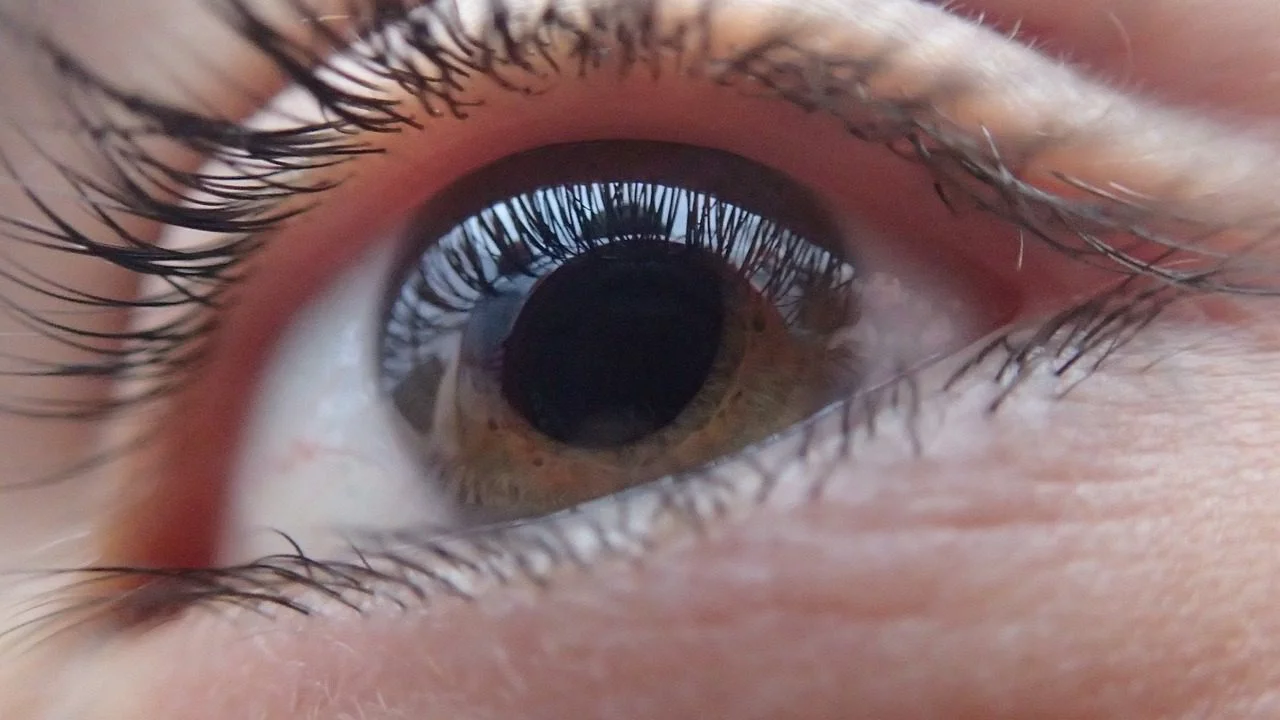

Glaucoma is a group of eye diseases that damage the optic nerve. This nerve transmits visual signals to the brain, and damage can impair vision over time. It often relates to eye pressure, but some people develop it with normal pressure. Early stages may cause no clear signs, while the condition can progress unnoticed.
Glaucoma Symptoms Overview
Symptoms vary by type and stage of glaucoma. Open-angle glaucoma often causes no early symptoms. Patchy side vision loss may appear as damage grows. Later, central vision becomes harder to use. Changes often develop slowly, and normal-tension glaucoma also may start without symptoms. Blurred vision or side vision loss can follow over time. Acute angle-closure glaucoma is different, so symptoms can begin suddenly and require urgent evaluation. Signs include severe eye pain, headache, nausea, blurred vision, red eyes, and halos around lights. In children, it may cause a cloudy eye. It also leads to frequent blinking, tearing, blurred vision, or worsening nearsightedness. Pigmentary glaucoma can cause blurred vision with exercise and halos. There may also be gradual reduction in peripheral vision, so take note of your symptoms.
Glaucoma Diagnosis Guide
Diagnosis begins with a complete eye exam. Your eye doctor uses several tests, and each one shows a different part of eye health. Pressure alone does not confirm glaucoma, because some people have optic nerve damage with normal readings. Accurate diagnosis guides treatment decisions, though follow-up visits remain needed after the initial exam. Testing includes:
- Intraocular pressure measurement: Checks whether eye pressure may be high enough to damage the optic nerve.
- Optic nerve exam and imaging: Looks for structural changes that suggest glaucoma damage.
- Visual field testing: Measures side vision, which often changes before central vision.
- Corneal thickness measurement: Helps interpret pressure readings more accurately.
- Drainage angle exam: Evaluates whether angle-closure glaucoma may be present.
These results work together, and they help your doctor identify the type and stage.
Glaucoma Treatment Options
Treatment aims to lower intraocular pressure, and it slows further optic nerve damage. Prescription eye drops are often the first step, and they reduce fluid production or improve drainage. Drops can work well, but some people have side effects or trouble using them consistently. Selective laser trabeculoplasty, or SLT, is another option when drops are insufficient or poorly tolerated. SLT can also serve as a first-line treatment. It can reduce the need for daily drops.
When surgery is needed, minimally invasive glaucoma surgery, called MIGS, is appropriate for some. MIGS uses small devices or techniques to improve fluid outflow, and recovery may be shorter than with larger procedures. Traditional surgery can be used for more advanced disease or when other treatments do not control pressure. The best plan depends on the type and the stage.
Discuss Treatment Today
Symptoms differ by type, but eye pain, blurred vision, halos, or side vision loss need attention. Glaucoma can damage vision without early warning signs. Diagnosis uses pressure checks, optic nerve evaluation, imaging, and visual field testing. If you notice possible symptoms, schedule a comprehensive eye exam soon. Treatment includes different steps for each person.