
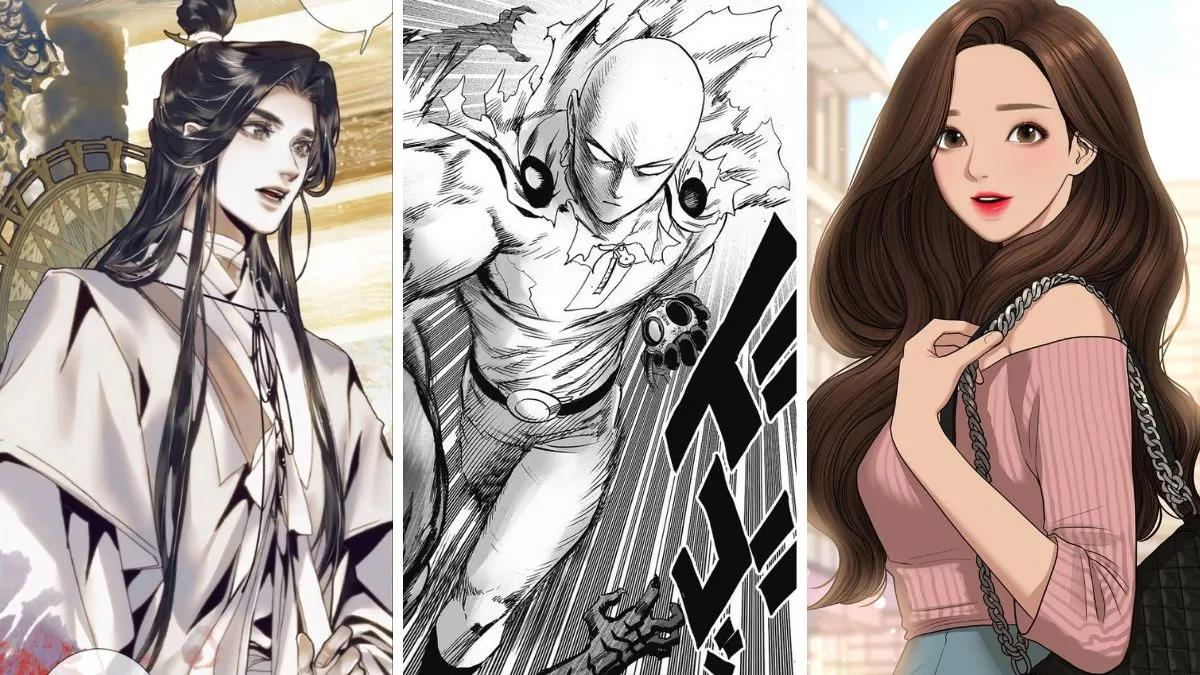

Manga and manhwa have become two of the most popular forms of comics among readers who enjoy action, romance, fantasy, adventure, and compelling character development. Although they share many visual similarities, they have distinct cultural origins, publishing traditions, reading formats, and storytelling influences. For new readers, understanding these differences can make it easier to choose the right series and discover new favorites.
Both formats offer a wide range of stories, from intense battles and supernatural adventures to emotional romances and everyday experiences. However, the terms are not interchangeable. Manga generally refers to Japanese comics, while manhwa refers to Korean comics. Their differences become more noticeable when readers explore how they are drawn, published, and consumed.
What Is Manga?
Manga is the term commonly used for comics and graphic narratives originating in Japan. It covers a broad range of genres and audiences, including children, teenagers, and adults. Manga can tell almost any kind of story, from science fiction and historical drama to sports, mystery, horror, and romance.
One of manga’s defining characteristics is its variety. Some series focus on fast-paced action and dramatic battles, while others explore relationships, personal growth, or social issues. Popular examples include One Piece, Naruto, Attack on Titan, and Death Note.
Traditional manga is usually published in black and white. Chapters may initially appear in magazines before being collected into printed volumes. Many Japanese manga editions also preserve the original right-to-left reading direction, including the order of the panels and speech bubbles.
Manga is no longer limited to physical books. Digital editions have made it possible for readers worldwide to access stories on smartphones, tablets, and computers.
What Is Manhwa?
Manhwa refers to comics originating in Korea, particularly South Korea in contemporary international publishing. Like manga, manhwa includes many genres, such as fantasy, action, romance, comedy, thriller, and supernatural fiction.
Modern manhwa is especially well known for its connection to digital comics called webtoons. These stories are often designed for smartphones and presented as long, vertical episodes that readers scroll through rather than pages they turn.
Popular examples include Solo Leveling, Tower of God, The God of High School, and True Beauty. These titles demonstrate how manhwa can appeal to readers interested in powerful protagonists, fantasy worlds, romantic relationships, and character-driven plots.
Many digital manhwa series use full-color artwork, detailed backgrounds, and dramatic visual effects. Nevertheless, not every manhwa is a colorful webtoon. Printed Korean comics can use black-and-white artwork and conventional page layouts.
For readers discovering Korean comics online, platforms and reading communities associated with asura scans are also part of the broader online conversation about manga-style storytelling and digital comic discovery.
Key Differences Between Manga and Manhwa
Although manga and manhwa share many artistic techniques, several important differences help distinguish them.
1. Country of Origin
The most fundamental difference is cultural origin.
Manga originates in Japan, whereas manhwa originates in Korea. This distinction matters because each medium has developed within its own publishing industry, language, artistic traditions, and cultural environment.
Their creators may explore similar themes, including friendship, ambition, revenge, family, and personal transformation. However, their stories can reflect different social experiences, cultural references, and storytelling conventions.
The country of origin is the clearest way to distinguish the two formats. A Korean comic does not become manga simply because it uses an art style influenced by Japanese comics.
2. Reading Direction
Reading direction is one of the first practical differences readers notice.
Traditional Japanese manga is generally read from right to left. Readers begin with the panel in the upper-right corner and follow the sequence across the page according to the original layout.
Printed Korean manhwa is generally read from left to right, similar to English-language books. This makes conventional manhwa editions relatively familiar to readers accustomed to Western comics.
Digital webtoons introduce another format. Most are designed for vertical scrolling, allowing readers to move down the screen from one panel to the next. This layout can create suspense by controlling how much of a scene appears at once.
3. Color and Artwork
Traditional manga is predominantly black and white, partly because of the economics and production methods associated with serialized print publishing. Artists use line work, shading, textures, and screentones to create depth, atmosphere, and visual contrast.
Modern digital manhwa frequently uses full-color illustrations. Color can help distinguish characters, communicate changes in mood, and make fantasy environments easier to explore. Lighting effects and carefully arranged backgrounds can also make important scenes more dramatic.
However, these are common tendencies rather than strict rules. Some manga includes color pages, while printed manhwa may be entirely black and white. The format and publisher often influence the final appearance as much as the country of origin.
4. Publishing and Reading Formats
Manga has a long-established tradition of serialized publication in magazines, followed by collected volumes. Readers may follow individual chapters or purchase complete volumes containing multiple installments.
Manhwa has a strong presence in digital publishing, particularly through webtoon platforms. Episodes are frequently released online, and many series are optimized for portrait-oriented mobile screens.
These publishing approaches influence the reading experience. Printed manga encourages readers to examine carefully arranged pages, while vertical-scroll manhwa allows creators to control pacing through spacing, panel placement, and long visual sequences.
Both formats are available digitally and in print, so readers should not assume that every manga is a physical book or that every manhwa is an online comic.
5. Storytelling and Genre
Manga and manhwa both offer diverse narratives, and neither medium is limited to a particular genre. Their storytelling approaches can nevertheless reflect different publishing traditions and audience expectations.
Manga includes extensive action-adventure series, sports stories, mysteries, slice-of-life narratives, and complex psychological dramas. Some titles develop their plots over hundreds of chapters, while others tell shorter, self-contained stories.
Manhwa is particularly visible in contemporary digital genres such as fantasy progression, dungeon adventures, reincarnation, romance, and stories involving characters who gain unusual abilities. Some series feature protagonists who grow stronger through quests, levels, rankings, or supernatural systems.
Romantic manhwa also has a substantial readership, especially among audiences who enjoy relationship-focused plots and expressive character designs.
These are broad trends, not fixed formulas. Readers can find action-packed manga and manhwa, just as they can find quiet romances, thoughtful dramas, and unconventional experimental stories in both mediums.
6. Character Design and Visual Style
Manga and manhwa often feature expressive faces, distinctive hairstyles, dynamic poses, and detailed environments. Both use visual storytelling to communicate emotion, action, and atmosphere.
Differences tend to depend on individual artists and genres rather than a universal national style. Some manga uses exaggerated expressions and bold visual effects, while other titles favor restrained illustrations and realistic proportions.
Digital manhwa often benefits from color, gradients, and lighting effects that suit scrolling screens. Manga artists, meanwhile, may use black-and-white contrast, speed lines, screentones, and panel composition to create equally powerful effects.
Rather than judging a comic solely by its artwork, readers should consider whether its visual style supports the story and creates an enjoyable reading experience.
Manga vs. Manhwa: A Quick Comparison
| Feature | Manga | Manhwa |
|---|---|---|
| Origin | Japan | Korea |
| Traditional reading direction | Right to left | Left to right |
| Common artwork | Black and white | Often full color in digital webtoons |
| Common formats | Serialized chapters and collected volumes | Digital episodes and printed volumes |
| Popular digital experience | Page-based reading | Frequently vertical scrolling |
| Common genres | Action, mystery, romance, sports, fantasy | Fantasy, romance, action, regression, adventure |
| Notable examples | One Piece, Naruto, Death Note | Solo Leveling, Tower of God, True Beauty |
These comparisons describe common patterns rather than absolute rules. Individual titles can differ significantly depending on the creator, publisher, and intended audience.
What Is the Difference Between Manga, Manhwa, and Manhua?
Readers exploring East Asian comics may also encounter the term manhua. Although the names sound similar, they refer to different comic traditions.
Manga refers to Japanese comics, manhwa refers to Korean comics, and manhua generally refers to Chinese-language comics, including works from mainland China, Taiwan, and Hong Kong.
Manhua can appear in both printed and digital formats. Some series use full color and vertical scrolling, while others follow traditional page layouts. Their reading direction can vary depending on the work’s origin and publication format.
Understanding these three terms helps readers identify a comic’s cultural background without confusing its artistic style or format with its country of origin.
For further background on Japanese manga and its conventions, the Miami Dade College library’s Manga 101 guide provides an introduction to manga, its genres, and traditional reading practices.
Which Should You Read: Manga or Manhwa?
The best choice depends on your reading preferences rather than which medium is objectively better.
Choose Manga If You Prefer
- Traditional page-based storytelling and collected volumes.
- Black-and-white artwork with detailed shading and panel composition.
- Long-running Japanese series across a wide range of genres.
- Reading layouts that preserve the original right-to-left format.
Choose Manhwa If You Prefer
- Full-color illustrations and visually rich digital episodes.
- Vertical scrolling that works naturally on smartphones.
- Fantasy adventures involving quests, progression, and supernatural abilities.
- Romance and character-driven stories presented in modern digital formats.
You do not need to choose only one. Many readers enjoy manga for its traditional page composition and manhwa for its digital presentation and distinctive stories. Exploring both can introduce you to new creators, genres, and storytelling techniques.
Why Have Manga and Manhwa Become So Popular?
Digital distribution has made comics easier to discover across national borders. Readers can explore stories on mobile devices, participate in fan communities, and discuss new chapters with audiences around the world.
Adaptations have also increased interest in both mediums. Manga has inspired numerous anime series and films, while Korean webtoons have increasingly become the basis for animated projects, television dramas, and other adaptations.
Social media, recommendations, online discussions, and international translations help readers discover titles they might never encounter in local bookstores. As a result, manga and manhwa have become part of a broader global comics culture.
Their popularity also demonstrates that visual storytelling can connect audiences across languages. While each tradition retains its own identity, both continue to evolve through digital publishing, creative experimentation, and international readership.
Conclusion
The main difference between manga and manhwa is their country of origin: manga comes from Japan, while manhwa comes from Korea. Their traditional reading directions, common artwork styles, publishing methods, and digital formats also help distinguish them.
Manga is widely associated with black-and-white page-based storytelling and right-to-left reading, whereas modern manhwa is especially recognized for colorful, vertically scrolling webtoons. However, neither medium is restricted to one format or artistic style.
Ultimately, both offer memorable characters, imaginative worlds, and stories for different tastes. Whether you prefer classic manga volumes or modern digital manhwa, exploring both traditions is an excellent way to discover the variety and creativity of East Asian comics.