
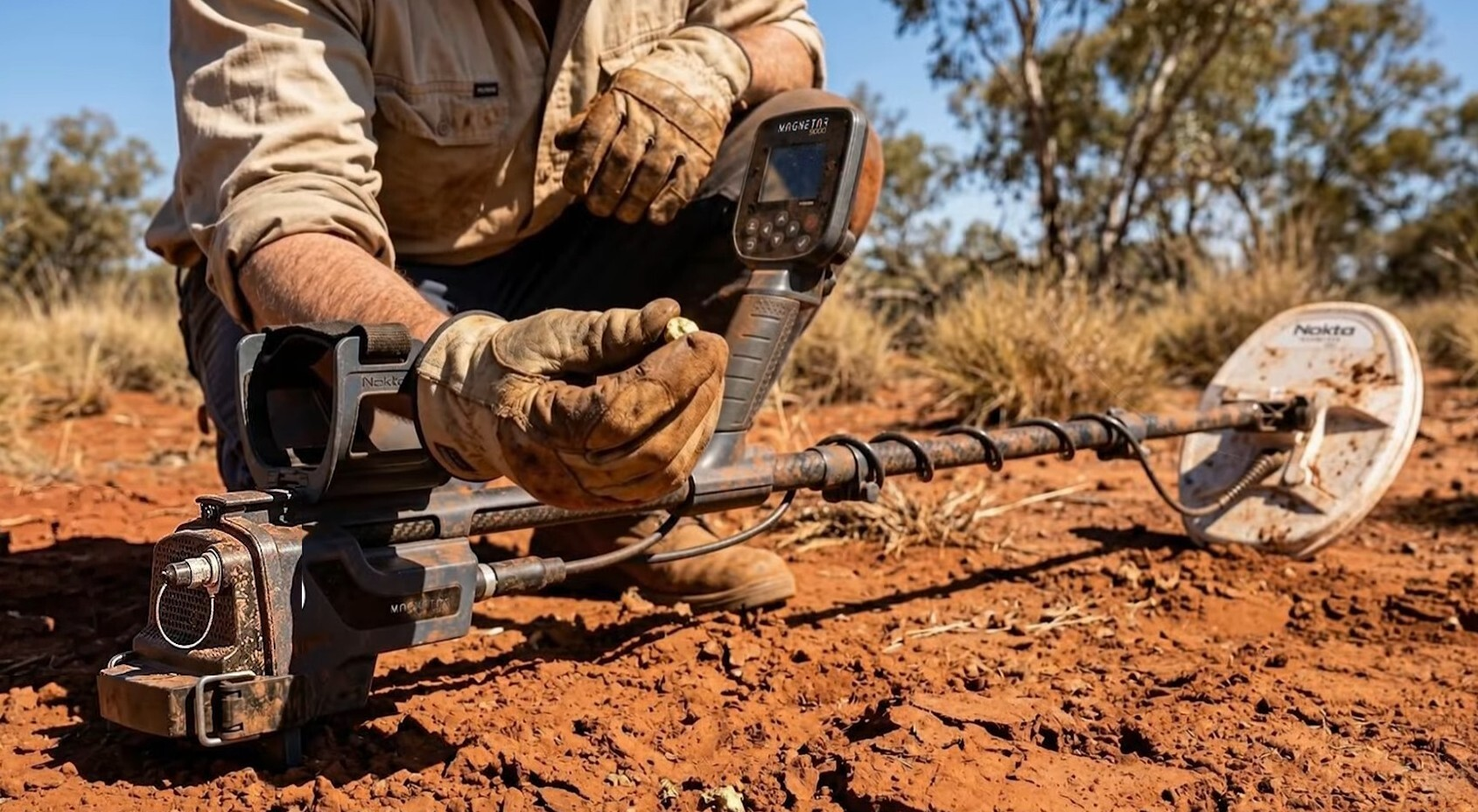

Finding gold can be an exciting hobby that combines outdoor exploration, patience, and the thrill of discovering something valuable. However, choosing the right gold detector can feel confusing for beginners because the market offers many models with different features, technologies, and price ranges. Understanding what makes a detector suitable for gold prospecting can help you make a practical decision.
Before buying your first device, consider where you plan to search, the type of gold you hope to find, and how much you want to spend. Exploring specialist resources such as goldplaypots can also help you learn more about gold-related equipment and develop a better understanding of the hobby.
1. Understand How Gold Detectors Work
A gold detector is a type of metal detector designed to identify metal objects beneath the ground. Depending on its technology, sensitivity, and search coil, a detector may be better suited to finding small gold nuggets, larger gold objects, or different types of metal.
Gold prospecting presents a particular challenge because natural gold nuggets can be very small. They may also be found in mineralized soil, which can produce signals that make detection more difficult.
Beginners should understand that no detector can guarantee gold discoveries. Performance depends on several factors, including target size, burial depth, soil conditions, coil selection, and the operator’s experience.
Very Low Frequency (VLF) Detectors
VLF detectors are popular among hobbyists because many models offer good sensitivity to small metal targets. Certain VLF machines are specifically designed for gold prospecting and can be useful for detecting small nuggets in suitable ground conditions.
These detectors often include adjustable sensitivity, ground balance, and discrimination settings. Such features can help users manage interference and distinguish some unwanted metal targets from potentially valuable signals.
However, highly mineralized soil can affect performance. Beginners should look for a model with suitable ground-balancing capabilities if they plan to search in areas known for mineral-rich ground.
Pulse Induction (PI) Detectors
Pulse induction detectors use a different operating technology and are often considered for gold prospecting in challenging ground conditions. Some PI models perform well in highly mineralized soil and are suitable for searching areas where other detectors may struggle.
They can be particularly useful for certain types of gold prospecting, but the best choice depends on the target size, location, and detector design. PI machines may also provide less conventional discrimination between different metals.
For beginners, the main consideration is whether the detector’s strengths match the intended search environment rather than choosing a technology simply because it sounds more advanced.
2. Decide Where You Want to Search
Your intended search location is one of the most important factors when choosing a gold detector. A device suitable for one environment may not perform equally well in another.
Dry Ground and Open Fields
If you plan to search dry ground, hillsides, or known gold-bearing areas, consider a detector with suitable sensitivity, comfortable handling, and effective ground balance.
A lightweight model can be helpful when exploring large areas on foot. Adjustable settings also make it easier to adapt to changing soil conditions.
Before visiting a location, research whether natural gold has been documented there. Searching in an area without a realistic chance of finding gold can lead to disappointment, regardless of the detector you purchase.
Mineralized Soil
Mineralized soil contains naturally occurring minerals that can interfere with a detector’s signals. This is a common consideration in gold prospecting.
Look for a detector with ground-balancing features designed for the conditions you expect to encounter. Automatic ground balance can simplify setup, while manual adjustment may provide greater control for users willing to learn the settings.
Beginners should practice adjusting these features before attempting difficult searches.
Wet Sand and Beaches
If you intend to search beaches, pay close attention to the detector’s water resistance and suitability for wet, mineralized sand. Not every gold prospecting detector is designed for saltwater environments.
Check whether the control unit and search coil can be submerged, or whether only certain components are water-resistant. Manufacturers may distinguish between rain resistance, shallow-water use, and full submersion.
Choosing equipment that matches the environment helps avoid unnecessary damage and disappointing results.
3. Set a Realistic Budget
Gold detectors are available at different price points, from entry-level models to specialized professional equipment. A higher price does not automatically mean that a detector is the right choice for every beginner.
Start by deciding how much you can comfortably spend. Then compare models with the features you actually need.
A basic budget should also account for accessories, such as headphones, digging tools, protective covers, batteries, and a suitable carrying bag. Depending on your location, you may also need to consider transportation costs and any required permits.
Entry-Level Detectors
An entry-level gold detector can be suitable for someone who wants to learn the basics without making a large initial investment. Look for straightforward controls, a clear display, and useful beginner guidance.
However, check whether the model is specifically designed for finding small gold nuggets. A general-purpose metal detector may be useful for coins and other metal objects but might not provide the sensitivity needed for fine gold prospecting.
Mid-Range and Advanced Models
Mid-range detectors may offer improved adjustment options, better ground handling, and additional features. They can be worth considering if you expect to prospect regularly.
Advanced machines may provide specialized performance, but they can also require more practice. Beginners should compare real capabilities rather than purchasing the most expensive detector available.
Reading independent reviews and examining the manufacturer’s specifications can help you understand what you are paying for.
4. Check the Most Important Features
Several detector features can influence your experience. Understanding them before purchasing can help you avoid paying for unnecessary functions.
Sensitivity
Sensitivity determines how responsive the detector is to metal targets. Higher sensitivity can sometimes help identify smaller targets, but increasing it too much may also produce false signals.
The most useful detector is one that allows you to balance sensitivity with stable operation in the soil where you intend to search.
Ground Balance
Ground balance helps a detector compensate for signals produced by natural minerals in the ground. This feature is especially important for gold prospecting because mineralized soil can create considerable interference.
Beginners may find automatic ground balance easier to use. More experienced users may appreciate the flexibility of manual adjustment.
Search Coil Size
Search coils influence how a detector responds to targets.
- Small coils: Often useful for locating tiny gold pieces and working in areas with many rocks or obstacles.
- Medium coils: Can offer a practical balance between sensitivity, coverage, and maneuverability.
- Large coils: May cover more ground and detect some larger targets at greater depths under suitable conditions.
Actual performance varies by coil design, detector model, target size, and soil conditions. A larger coil does not automatically provide better results for every type of gold.
Weight and Ergonomics
Comfort matters when searching for several hours. A heavy detector can cause fatigue, particularly during long trips across uneven terrain.
Check the total weight, shaft adjustment, handle design, and overall balance. If possible, hold the detector before buying it.
A comfortable machine that you can operate consistently may be more useful than a technically advanced model that becomes tiring to use.
5. Research Reviews and Manufacturer Specifications
Before purchasing a gold detector, compare several models instead of relying on a single advertisement or recommendation.
Read reviews from users who search in environments similar to yours. Pay attention to comments about small-gold sensitivity, stability in mineralized soil, battery life, durability, and ease of operation.
Manufacturer specifications are also important. Confirm the supported search coils, available settings, warranty terms, included accessories, and replacement-part availability.
Be cautious of claims promising extraordinary depths or guaranteed discoveries. Detection depth depends on multiple conditions, and small gold nuggets are generally more difficult to detect at depth than larger metal objects.
For additional technical background, the Encyclopaedia Britannica provides an overview of metal detectors and the basic principles behind their operation.
6. Learn the Basics Before Your First Search
Buying a detector is only the beginning. Learning how to operate it properly can make a significant difference in your results.
Start by reading the manual and practicing in a controlled area. Use known metal targets of different sizes to understand how the detector responds. Follow the manufacturer’s instructions and avoid burying valuable objects or damaging the equipment during testing.
Practice these essential skills:
- Adjusting sensitivity without creating excessive noise.
- Understanding ground balance and when to change it.
- Recognizing consistent signals and investigating them carefully.
- Sweeping the coil slowly and evenly at the recommended height.
- Digging carefully and restoring the ground after recovering a target.
Avoid rushing through an area. Slow, methodical searches can help you investigate signals that might otherwise be missed.
It is also useful to keep notes about the detector settings, soil conditions, and results of each outing. Over time, these records can help you understand which adjustments work best in different environments.
7. Check Local Rules Before Prospecting
Gold prospecting is not permitted everywhere. Land ownership, mining regulations, protected areas, and cultural heritage laws may restrict where and how you can search.
Before using a detector, check the rules that apply to your chosen location. Obtain permission before entering private property, and confirm whether permits are required for public land or mineral exploration.
Some locations prohibit digging or the removal of natural materials. Others may have specific requirements for handling discoveries.
Following local regulations helps protect the environment and reduces the risk of fines or other legal problems. Always fill your holes, remove litter, and leave the search area in good condition.
8. Avoid Common Beginner Mistakes
New detector users sometimes expect immediate results or purchase equipment without understanding their needs. A more patient approach usually leads to better decisions.
One common mistake is choosing a general-purpose metal detector when the main goal is finding tiny natural gold nuggets. Another is buying an advanced machine without learning how its settings work.
Beginners should also avoid relying entirely on online claims about maximum detection depth. Real-world performance can differ significantly from demonstrations because soil composition, target orientation, and target size all affect detection.
Finally, do not assume that every signal represents gold. Iron, aluminum, and other metals may produce detectable signals. Learning the characteristics of your machine takes time, and careful testing is more reliable than making assumptions.
Conclusion
Choosing the right gold detector for beginners starts with understanding your goals, search environment, and budget. Consider whether a VLF or pulse induction detector better suits your intended conditions, then compare sensitivity, ground balance, search coil options, weight, and ease of use.
Research reliable reviews, check manufacturer specifications, and practice with your detector before heading into the field. Remember to verify local prospecting rules and respect the environment.
Most importantly, focus on learning rather than expecting immediate discoveries. With suitable equipment, realistic expectations, and consistent practice, beginners can build their skills and enjoy gold prospecting with greater confidence.