
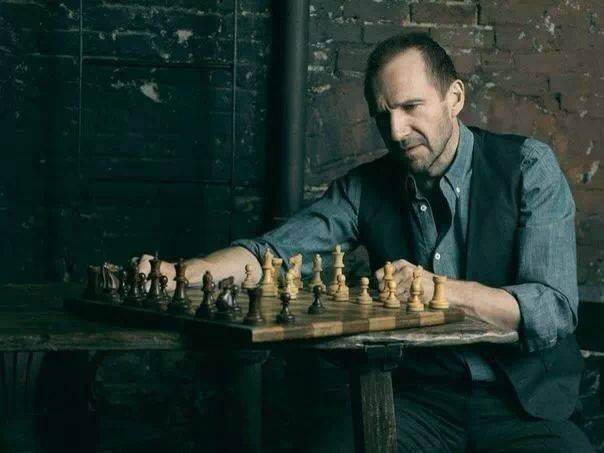

Chess is a game of strategy, patience, and continuous learning. While many players enjoy competing against others, practicing alone is one of the most effective ways to build confidence, understand patterns, and improve decision-making. With online tools now widely available, players can train anytime without needing a physical opponent.
Learning chess independently allows you to focus on your weaknesses and develop your own improvement routine. Whether you are a beginner learning basic moves or an experienced player trying to sharpen your tactics, online practice provides countless opportunities to grow.
Why Practicing Chess Alone Is Important
Many chess players believe that improvement only comes from playing against opponents, but individual practice plays an equally important role. When you practice alone, you can analyze positions, study strategies, and repeat exercises until concepts become natural.
Solo chess training helps you identify mistakes without the pressure of a live match. Instead of focusing only on winning, you can concentrate on understanding why certain moves work and why others fail.
Regular individual practice also develops important skills such as calculation, concentration, and strategic thinking. These abilities are useful not only on the chessboard but also in problem-solving situations outside the game.
Use Online Chess Platforms for Self-Training
The internet has transformed how people learn chess. Today, players can access puzzles, lessons, analysis tools, and practice games from anywhere. Online platforms make it easier to create a structured training routine without needing a personal coach.
A good approach is to combine different types of exercises. For example, beginners can start with basic tactics, while advanced players can focus on complex positions and endgame techniques.
Players looking for a dedicated environment to challenge their skills and explore chess-related practice resources can explore SuperHardAlgebraProblems.com for additional problem-solving activities connected with strategic thinking.
Practice Chess Puzzles Every Day
Chess puzzles are one of the best ways to practice alone online. They present specific situations where you must find the strongest move, usually involving tactics such as checkmates, forks, pins, or discovered attacks.
Solving puzzles regularly improves your ability to recognize patterns quickly. Strong players often succeed because they have seen similar positions many times before.
To get better results, avoid guessing random moves. Take time to calculate possible outcomes before choosing an answer. After solving a puzzle, review the explanation and understand why the solution works.
Analyze Your Own Games
One of the most valuable solo training methods is reviewing your previous games. Many online chess platforms allow players to save and analyze their matches using digital tools.
When reviewing a game, focus on important moments:
- Where did you lose material?
- Did you miss a tactical opportunity?
- Was your opening strategy effective?
- Did your endgame decisions create problems?
Self-analysis helps you recognize repeated mistakes and prevents you from making the same errors in future games.
Learn Chess Openings Through Online Study
Openings create the foundation for every chess game. Practicing openings alone helps you understand common strategies and develop better early-game decisions.
Instead of memorizing dozens of moves, focus on learning the ideas behind openings. Understand why pieces move to certain squares, how players control the center, and what plans are available after development.
Beginners should start with simple opening principles:
- Control the center of the board.
- Develop knights and bishops early.
- Protect the king through safe castling.
- Avoid unnecessary moves with the same piece.
These concepts create a strong foundation before studying advanced opening theory.
Improve Your Endgame Skills
Many players spend most of their time studying openings but ignore endgames. However, endgame knowledge can often decide the result of a close match.
Practicing endgames alone allows you to master important techniques such as king and pawn endings, rook positions, and basic checkmate patterns.
A player who understands endgames has more confidence when reaching simplified positions. Even a small advantage can become a winning opportunity with proper technique.
Create a Consistent Chess Training Schedule
Improvement requires consistency. Practicing for a short time every day is usually more effective than studying for many hours only once a week.
A simple online training routine could include:
15 Minutes of Chess Puzzles
Start with tactical exercises to improve calculation and pattern recognition.
20 Minutes of Game Analysis
Review previous games and identify mistakes or missed opportunities.
15 Minutes of Strategy Study
Learn concepts related to openings, middlegames, or endgames.
A structured routine keeps your progress measurable and prevents random practice sessions.
Use Reliable Chess Resources
When learning independently, choosing trustworthy educational resources is important. Quality information helps players avoid developing incorrect habits.
Organizations such as the international governing body for chess provide valuable information about tournaments, rules, and the development of chess worldwide. Players can explore resources from the International Chess Federation (FIDE) to learn more about official chess standards and global chess activities.
Combining reliable resources with regular practice creates a stronger learning experience.
Challenge Yourself With Different Training Methods
Practicing alone does not mean repeating the same activity every day. Variety keeps training interesting and improves different areas of your game.
Try mixing activities such as:
- Playing against computer opponents with different difficulty levels.
- Solving timed chess puzzles.
- Studying famous historical games.
- Recreating professional matches.
- Practicing specific positions.
Different exercises train different skills. Tactical puzzles improve calculation, while studying master games improves strategic understanding.
Track Your Chess Improvement
Keeping track of progress can motivate you to continue learning. Record your puzzle scores, game results, and areas where you need improvement.
Many players notice that progress is not always immediate. Chess improvement often happens gradually as your understanding of patterns and strategies increases.
Reviewing your progress over time helps you see improvements that may not be obvious during daily practice.
Conclusion
Practicing chess alone online is an effective way to improve your skills, develop strategic thinking, and build confidence. With online puzzles, game analysis tools, opening lessons, and structured routines, players can train whenever they have time.
The key to success is consistency. Regular practice combined with thoughtful analysis allows beginners and experienced players alike to continue improving. By using online resources wisely and focusing on understanding rather than simply playing more games, anyone can become a stronger chess player