
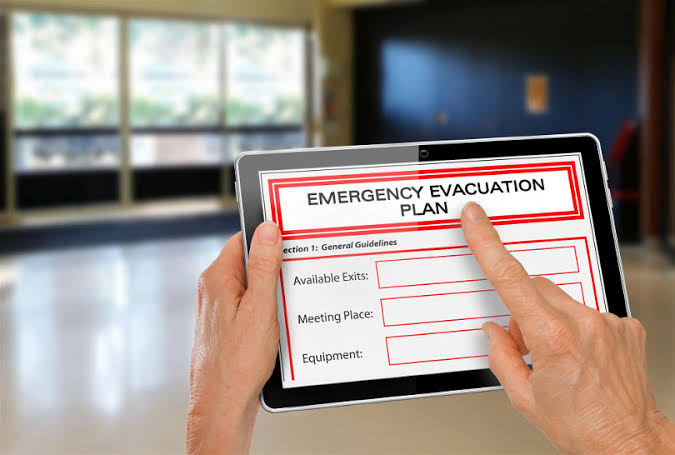

Emergencies can happen without warning, whether it is a natural disaster, sudden illness, accident, or unexpected medical situation. While nobody can predict when a crisis will occur, proper preparation can reduce stress and help families respond quickly when every second matters.
A well-organized medical preparedness checklist ensures that essential supplies, medications, important documents, and emergency plans are available when needed. From creating a home medical kit to understanding basic emergency procedures, preparation plays an important role in protecting your health and safety.
Having access to the right resources before an emergency happens can make a significant difference. Solutions like UrgentCareKit.com help individuals explore options for keeping essential healthcare supplies available when urgent situations arise. A thoughtful emergency plan combined with reliable medical resources can help families feel more confident during uncertain moments.
Why Medical Preparedness Matters
Many people only think about emergency planning after experiencing a crisis. However, waiting until an emergency happens can lead to unnecessary challenges, including difficulty finding medications, missing important health information, or lacking basic medical supplies.
Medical preparedness is not only about storing first aid items. It also involves understanding your family’s health needs, maintaining updated records, and creating a system that allows quick action during stressful situations.
A proper plan can be especially valuable during events such as:
- Severe weather emergencies
- Power outages
- Natural disasters
- Travel-related medical issues
- Unexpected injuries
- Medication shortages
- Family health emergencies
Preparedness allows individuals to focus on solving problems rather than searching for supplies or information at the last minute.
Build a Complete Emergency Medical Kit
One of the most important steps in emergency readiness is creating a medical kit that matches your household’s needs. A basic first aid box is useful, but a comprehensive emergency medical kit should include more than bandages and antiseptic.
Essential Medical Supplies
A practical emergency medical kit may include:
- Adhesive bandages in different sizes
- Sterile gauze pads
- Medical tape
- Antiseptic wipes
- Disposable gloves
- Scissors and tweezers
- Digital thermometer
- Pain relief medications
- Allergy medications
- Emergency blankets
- Wound cleaning supplies
- Prescription medication backups
Families should customize their kits based on age, health conditions, allergies, and personal requirements.
For example, households with children may need pediatric supplies, while older adults may require additional medication management tools or mobility-related support.
Keep Important Health Information Accessible
During emergencies, medical information can become just as important as physical supplies. Emergency responders and healthcare providers may need quick access to details about allergies, medications, and existing health conditions.
Keep copies of important information, including:
- Current medication lists
- Doctor contact details
- Insurance information
- Allergy records
- Medical history summaries
- Emergency contacts
The Centers for Disease Control and Prevention recommends organizing important health documents and personal records as part of emergency preparedness planning.
Store these records in a safe waterproof container or a secure digital location so they remain available if physical documents are damaged.
Prepare Medications Before an Emergency
Medication planning is one of the most overlooked parts of emergency preparation. Individuals who rely on daily prescriptions should have a clear plan for maintaining access during disruptions.
Consider these steps:
Review Your Medication Supply
Regularly check expiration dates and make sure essential medications are available. Avoid waiting until supplies are nearly finished before requesting refills.
Create a Medication List
Write down:
- Medication names
- Dosages
- Usage instructions
- Prescribing doctors
- Pharmacy information
This information can save valuable time if medical assistance is required.
Store Medications Properly
Keep medications in their original containers whenever possible. Store them according to label instructions and protect them from moisture, heat, and damage.
Learn Basic Emergency Response Skills
Having medical supplies is helpful, but knowing how to use them is equally important. Basic emergency skills can help individuals provide immediate support before professional assistance arrives.
Useful skills include:
- Performing basic first aid
- Understanding wound care
- Recognizing signs of serious medical conditions
- Knowing when to call emergency services
- Learning CPR techniques
Organizations such as the World Health Organization emphasize structured emergency checklists because they help healthcare teams complete critical steps during urgent situations.
Families can also benefit from taking first aid courses and practicing emergency plans together.
Create a Family Emergency Communication Plan
During emergencies, communication problems can create additional risks. A family emergency plan should include clear instructions about how everyone will stay connected.
Your plan should include:
- Emergency phone numbers
- Meeting locations
- Backup communication methods
- Contact information for relatives
- Responsibilities for each family member
Children should also understand basic emergency instructions, such as who to call and where to go if they become separated from family members.
Check and Update Your Emergency Supplies Regularly
Emergency preparedness is not a one-time activity. Medical supplies expire, family needs change, and new health situations may develop over time.
Review your emergency kit every few months and update:
- Expired medications
- Damaged equipment
- Outdated documents
- Seasonal supplies
- Family health information
A regular review ensures your emergency kit remains useful when you actually need it.
Consider Special Needs Within Your Household
Every family is different, so emergency preparation should be personalized. A standard checklist may not cover everyone’s needs.
Think about:
- Infants and young children
- Elderly family members
- People with disabilities
- Pets
- Individuals with chronic health conditions
For example, someone who uses medical devices may need backup power solutions, while someone with allergies may require specific emergency medications.
Keep Emergency Supplies in Multiple Locations
Emergencies do not always happen when you are at home. Consider keeping smaller emergency supplies in different places, such as:
- Home
- Workplace
- Vehicle
- Travel bags
A compact medical kit can be useful during road trips, outdoor activities, or unexpected situations away from home.
Conclusion
Medical preparedness is an important part of protecting yourself and your family during emergencies. A reliable plan includes more than collecting supplies—it requires organizing medical information, maintaining medications, learning emergency skills, and regularly updating your resources.
Taking small preparation steps today can provide greater confidence tomorrow. Whether facing a minor injury or a larger emergency situation, having the right checklist and resources available can help you respond faster and more effectively.
Preparedness is not about expecting the worst; it is about being ready to handle unexpected situations with better control and confidence.