
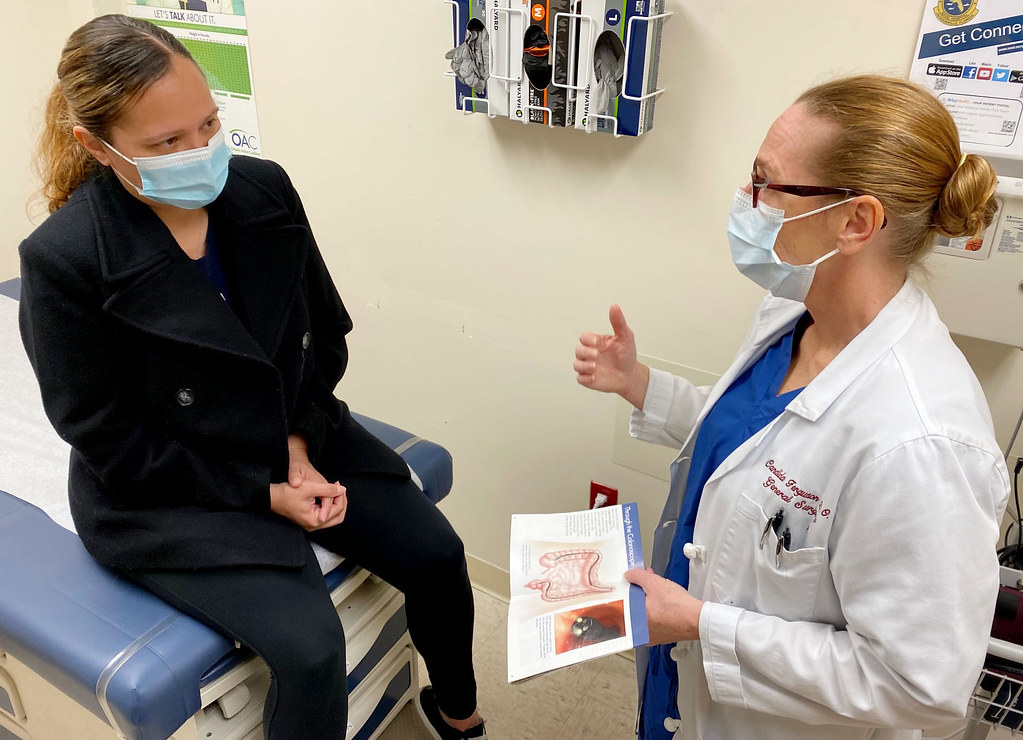

A colon cancer screening is a test that checks for signs of cancer in your colon and rectum. These tests can find polyp growths before they turn into cancer, helping to catch cancer early when it is often easier to treat. Common cancer screening methods include a colonoscopy, which uses a small camera to look inside the colon, and stool-based tests that check for blood or changed cells. Knowing when to ask your doctor about screening can help you stay on top of your health. Here’s information on when to talk about cancer screening with your doctor:
You Have High Risk Factors
Your family health history plays a big role in your own risk of developing colon cancer. If a parent, sibling, or child has had colon cancer, you face a higher chance of developing it too. Some inherited conditions, such as Lynch syndrome, raise this risk even more. This condition is passed down through families and can lead to colon cancer at a younger age than usual.
Familial adenomatous polyposis is another inherited condition, and it causes many polyps to form in the colon over time. If these conditions run in your family, talk to your doctor and ask whether earlier or more frequent colon cancer screening is right for you. Some other reasons to get a colonoscopy include:
- To Diagnose Gastrointestinal Symptoms
- To Assess the Colon for Ulcers or Blockages
- To Treat Polyps (Polypectomy) and Some Other Concerns
You Are Over 45
Colon cancer risk tends to increase with age, so screening becomes more necessary at later stages of life. This is why many health groups suggest that people start regular colon cancer screening around age 45. If you are 45 or older and have not been screened, this is a good time to bring it up with your doctor. With a gastrointestinal specialist, you can discuss which type of test fits your needs and how often to repeat it. Your doctor will evaluate your overall health and any other risk factors before suggesting a plan.
You Have Had Polyps Before
Polyps are small growths on the inner lining of the colon. Most polyps are harmless, but some can change into cancer over time. If you have had polyps removed in the past, your doctor may want to watch your colon more closely.
People with a history of polyps often need screening more often than others, as regular follow-up helps catch any new growths. The timing depends on the number, size, and type of polyps found during your last exam. Keep a record of your past results and share them with your doctor so they can guide your next steps.
Schedule a Colon Cancer Screening
Deciding when to get a colon cancer screening depends on your personal situation, but a specialist can discuss your health factors. A family history of colon cancer, inherited conditions like Lynch syndrome, reaching age 45, or a past record of polyps are all reasons to start this conversation. Each of these factors can shape the timing and type of test your doctor suggests. A gastrointestinal doctor can review your risk and recommend a screening schedule that fits your needs. If any of the situations above apply to you, reach out to your primary doctor or contact a gastrointestinal specialist.