
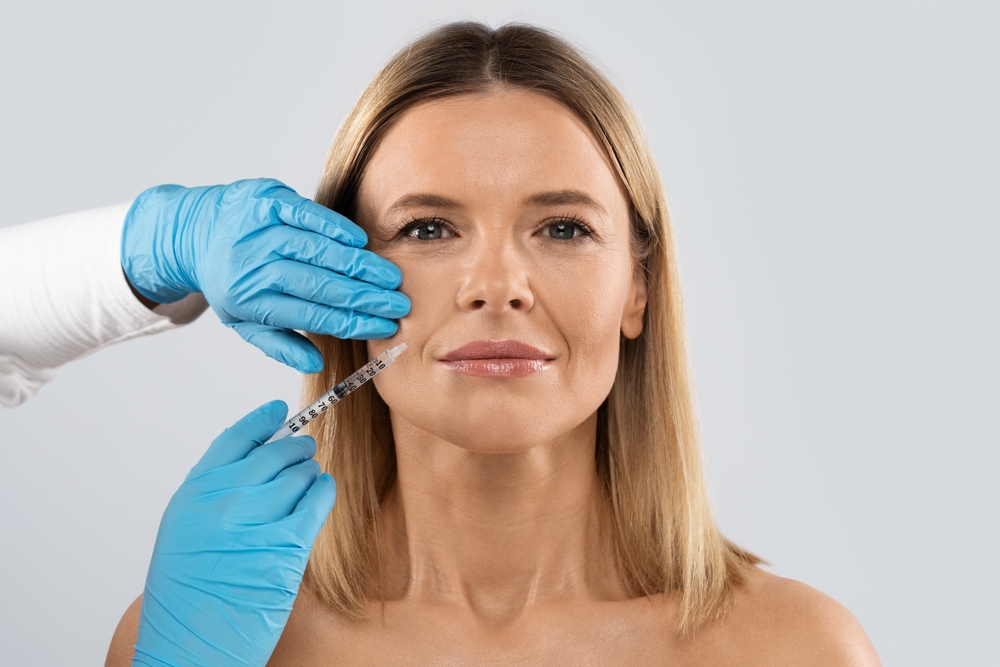

Dermal fillers are injectable substances that providers place beneath the skin to add volume or alter facial contours. Medical professionals use various materials for these injections, and each distinct formulation degrades at a different rate. Because the body metabolizes different substances uniquely, patients experience a range of duration timelines. Patients should understand these varying lifespans before receiving injections to plan future treatments effectively.
Calcium Hydroxylapatite Fillers
This category utilizes microscopic calcium particles suspended in a smooth gel carrier, and providers inject it into the dermal layers. The material provides immediate structural support. Because the calcium microspheres stimulate natural collagen production, the physical results outlast the actual gel. The skin produces more collagen, so patients may find they do not need recurring appointments for the same results.
Many patients retain the visible effects of calcium hydroxylapatite for approximately twelve to eighteen months. The filler known as Radiesse is the primary brand in this category of fillers, and practitioners use it for deeper facial wrinkles. Although the carrier gel dissolves within a few months, the newly formed collagen matrix remains behind to maintain the targeted volume.
Hyaluronic Acid Fillers
Providers frequently utilize hyaluronic acid as a primary ingredient for soft tissue augmentation, and this substance naturally exists within human skin. When a practitioner injects this gel-like material, it occupies space beneath the epidermis and fills in lines and creases. Because enzymes within the body naturally break down the acid over time, the volume gradually diminishes.
Although metabolic rates vary among individuals, most hyaluronic acid applications last between six and twelve months. The specific molecular cross-linking, the metabolism of the individual, and the location of the injection determine the durability. Thicker formulations resist degradation better, so they remain in the tissue longer than thinner formulations.
The brands Restylane and Juvéderm are common examples of this category of filler. While lip injections typically fade quickly due to constant mouth movement, cheek augmentations persist for longer. Practitioners choose the specific formulation density based on the anatomical location, and they monitor the gradual absorption over subsequent visits.
Poly-L-lactic Acid Fillers
Since poly-L-lactic acid functions as a synthetic stimulator rather than a direct volumizer, results appear gradually over several weeks. The provider administers a series of treatments, and the synthetic material triggers the body to generate new collagen fibers, so patients notice structural changes progressively after the treatment. Medical professionals often space the injection sessions a month apart, and the resulting collagen network can persist for up to two full years. The brand Sculptra is a common example of this kind of filler, and it can last for two years or longer by stimulating collagen creation rather than filling the space on its own.
Schedule a Filler Consultation
If you are interested in filler, consult with an aesthetician to choose the kind of filler right for your aesthetic goals. A licensed professional can inform you about which fillers to use, and they can inform you about expectations for longevity. Schedule an appointment to begin your aesthetic filler schedule.