
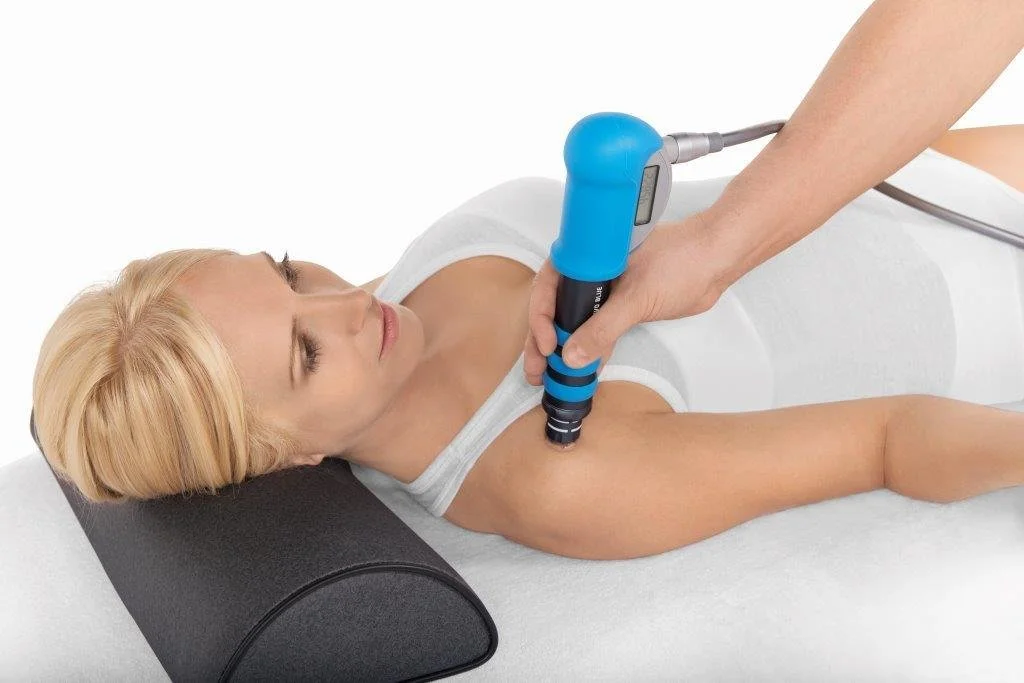

Shoulder pain shows up in many ways, and it often limits daily movement. When you have this condition, you might feel a dull ache after sleeping or sharp pain when you lift your arm. Strains, tendon irritation, and minor injuries are significant causes, and they range widely in severity. Here are some non-invasive methods to treat shoulder pain:
Physical Therapy
Physical therapy uses guided exercises to address shoulder pain. A therapist designs a plan that targets your specific limitations, and you follow it over several weeks. The sessions are structured, and they progress as your range of motion changes.
Therapists might focus on a few key goals during treatment. Since each shoulder issue differs, your plan reflects your needs, and the exercises adjust over time. The routine stays steady, and progress is measured at each visit.
Standard physical therapy goals include:
- Restoring range of motion
- Strengthening surrounding muscles
- Reducing strain on the joint
A therapist tracks your movement at each appointment. While the work takes effort, the steps are clear, and you learn techniques to use at home. Sessions are scheduled, and they fit around your daily routine.
Platelet-rich Plasma Injections
Platelet-rich plasma injections (PRP) use a sample of your own blood. The blood is processed to concentrate platelets, and a clinician injects it into the affected area. The process is typically quick, and it happens in a clinical setting.
Since PRP relies on your body’s components, the procedure is minimally invasive. A provider draws your blood, and they prepare the sample on-site. The injection follows the same visit, and it targets the injured tissue directly.
Anti-inflammatory Medication
Anti-inflammatory medication helps manage swelling and discomfort. Over-the-counter options exist, and a provider may suggest a stronger prescription. The choice depends on your symptoms, and your medical history guides it.
These medications come in several forms. Since each form works differently, a clinician reviews your situation and recommends the right option for you. The dosing stays specific, and you follow it as directed.
Typical anti-inflammatory options include:
- Oral tablets or capsules
- Topical creams and gels
- Prescription-strength formulations
A provider explains how to use each option safely. While medication eases symptoms, it works best alongside other care, and your provider monitors your response. The plan stays clear, and you adjust it during follow-up visits.
Arthroscopic Procedures
Arthroscopic procedures use small incisions and a thin camera. A surgeon views the joint on a screen, and they treat the issue through tiny openings. The approach is precise, and recovery moves faster than open surgery. A surgeon evaluates whether you qualify, and imaging tests inform that decision. The procedure is scheduled, and your care team prepares you beforehand.
Get Treated for Shoulder Pain
Shoulder pain has many treatment paths that avoid major surgery. You might start with physical therapy, and you may add medication or injections. Each option addresses different needs, and a provider helps you compare them. If your shoulder pain limits your day, reach out to our urgent care center. Stop by today, and let our caring professionals help you find the next step.