

Your eyes are complex structures, and they require attention from a trained professional. When vision problems arise, or if an eye condition requires specialized treatment, an ophthalmologist is the doctor who can help. These medical specialists focus entirely on the health of your eyes and the structures around them.
What Is an Ophthalmologist?
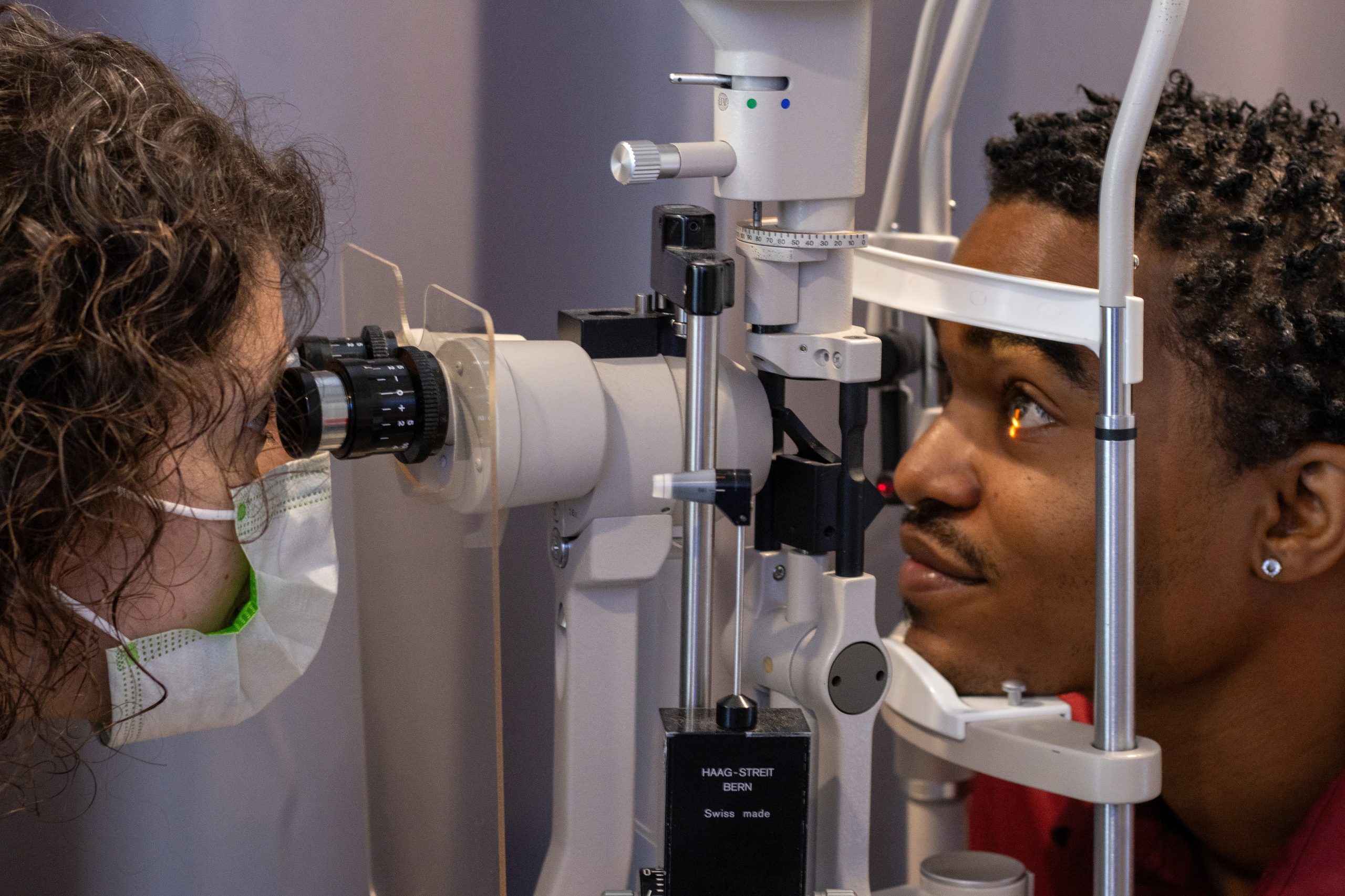
An ophthalmologist is a medical doctor who specializes in eye and vision care. Because they hold a full medical license, ophthalmologists can diagnose conditions, prescribe medication, and perform surgery. They examine the eye using specialized instruments, and they use equipment that reveals details about its inner structures. Their role often involves both routine checkups to regularly assess eye health and the management of complex diseases through targeted interventions.
What Do They Treat?
Ophthalmologists address a wide range of eye conditions, from common irritations to diseases that affect long-term sight. Their treatment methods can involve simply prescribing medication, and complex conditions may require surgery. Below are several areas they commonly manage:
- Cataracts: A clouding of the eye’s natural lens that can blur vision over time.
- Glaucoma: A group of conditions linked to pressure inside the eye that may affect the optic nerve.
- Macular Degeneration: A condition that affects central vision and tends to appear with age.
- Diabetic Retinopathy: Damage to the blood vessels in the retina that can develop in people living with diabetes.
- Eye Irritation: A lack of quality tears causes dry eyes, and redness may stem from irritation, infection, or other causes.
- Thyroid Eye Disease: A condition connected to thyroid function that can affect the tissues around the eyes.
Some ophthalmologists may also perform procedures on the eyelids and surrounding areas. These can include surgeries that restore function or improve the look of the eye region.
When Should You Seek Care?
Certain signs indicate that a visit to an eye specialist is a reasonable next step, as they may suggest the presence of an eye condition. Paying attention to these changes can help you address problems early, and prompt medical care helps prevent these issues from worsening. You may want to schedule an appointment if you notice:
- Sudden change in your vision, such as blurriness or loss of sight
- Rapid increase in floaters or flashes of light
- Ongoing case of eye pain, redness, or pressure
- Persistent level of dryness, itching, or watering that does not improve
- Difficult sight at night or sensitivity to light
- Excessive drooping or other changes in the eyelids
People who manage conditions like diabetes may benefit from regular eye exams, since these health issues can affect the eyes. Routine checkups also help catch silent problems, such as glaucoma, that often show few early symptoms.
Consult With a Specialist
An ophthalmologist is a knowledgeable partner in the effort of caring for your eyes. If you have noticed a change in your sight or live with a health condition that affects your eyes, reaching out to an ophthalmologist is a sound move. Contact a local eye care provider to schedule an exam and ask questions about your specific concerns.