
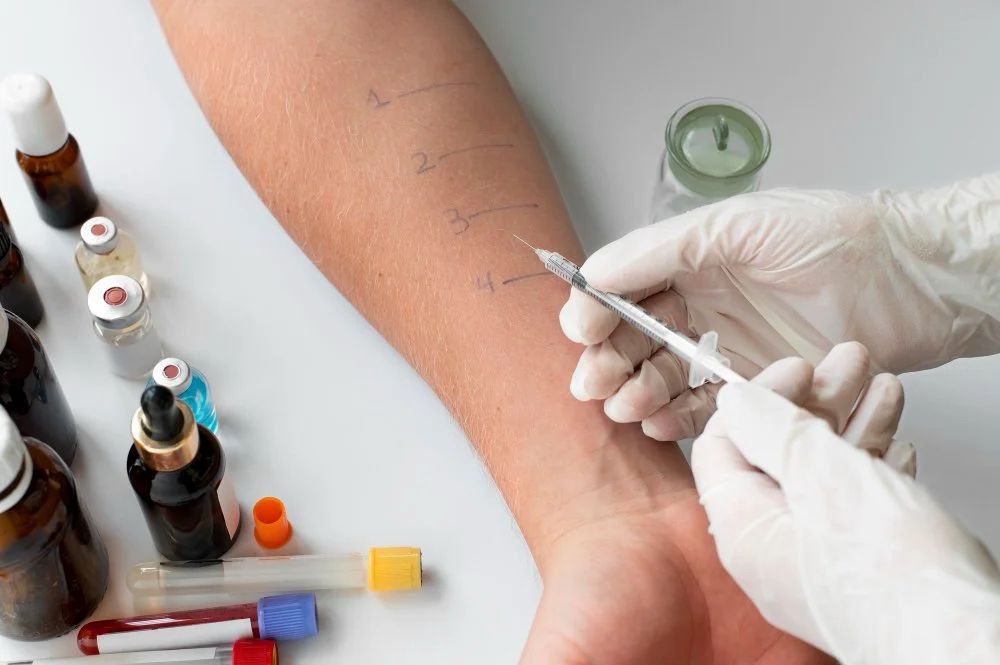

Allergy testing identifies the substances that trigger your symptoms. Doctors use it to pinpoint triggers, and the results guide your treatment plan. The process is straightforward once you know the steps, and knowing what happens helps you prepare. Understand each stage clearly, since you need to make an informed decision.
Preparation Before Appointments
Your doctor reviews your history first, and this conversation shapes your allergy testing. Preparation makes your appointment go smoothly. Bring a list of your medications, list your main symptoms, and wear comfortable clothing. Describe when your symptoms start, where they appear, and their duration; these details guide the testing. If you suspect a food allergy, write down the foods that seem to trigger reactions. If you have eczema or hives, point out the affected areas so your doctor can plan the right test sites. Arrive early, since intake paperwork takes time, and it keeps the visit on schedule. These steps support accurate results.
Procedures During Testing
Your doctor selects the testing method that fits your needs, and common options include:
- Skin testing: A clinician places small amounts of allergens on your skin and observes the reaction.
- Patch testing: This checks for delayed reactions and helps identify causes of eczema or contact rashes.
- Food allergy testing: This may be needed if certain foods seem to trigger symptoms.
Several testing methods exist, and your doctor selects the one that fits your needs. Skin testing is common; a clinician places small amounts of allergens on your skin and observes the reaction. Patch testing checks for delayed reactions. It helps identify causes of eczema or contact rashes. A food allergy may require specific testing if certain foods seem to trigger symptoms. Before testing begins, a clinician cleans the area and marks each spot, so the results stay clear and organized. You stay in the room during testing, and a clinician monitors you closely the entire time. The number of allergens varies because your doctor chooses them based on your history and your symptoms.
Results and Follow-Up Care
Since your doctor reviews the reactions, together you discuss what each result means. The size of each response matters; larger reactions often point to stronger sensitivities. A positive result confirms a trigger, but your doctor discusses your symptoms before drawing conclusions. If you have hives, swelling, or asthma, test results help connect those symptoms to specific triggers. Share each symptom with your provider. Some results may surprise you, and your doctor explains why a reaction does not always mean a true allergy.
The clinician compares the marked sites, notes redness, and records findings for your record. If a food allergy appears, your doctor reviews which foods to avoid and how to read labels. You leave with a clear summary, and this written record helps you follow the plan at home. Your doctor builds a plan based on your results. Avoidance is the first step, and you learn which substances to limit. Your doctor explains practical ways to reduce exposure at home, at work, and outdoors.
Start Allergy Testing Today
Allergy testing gives you clear answers about your triggers. The process is quick, the steps are simple, and your doctor guides you throughout. Once you know your results, you can manage symptoms more effectively. Contact your office to schedule your allergy testing, and take the next step toward relief.