
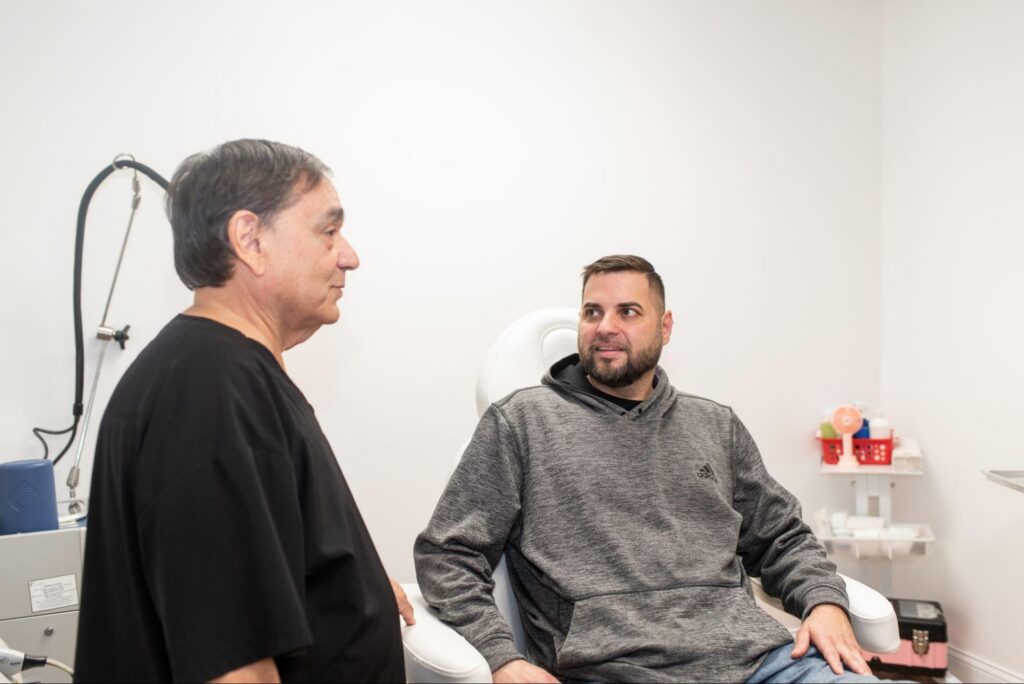

Preparing for a medical appointment requires careful thought, and patients who arrive with a clear list of inquiries can receive more precise guidance regarding their health. A dermatologist specializes in diagnosing and treating conditions related to the skin, hair, and nails. Because this field covers everything from routine screenings to complex surgical procedures, knowing the right questions to ask directs the conversation toward your specific health needs.
What Can They Treat?
A dermatologist manages a wide array of diseases and disorders. When meeting with a provider, ask them to explain the scope of conditions they handle. Many clinics address common issues like acne, eczema, and psoriasis; patients experiencing unexplained hair loss, persistent warts, or severe dry skin should ask the physician about their experience diagnosing these specific ailments.
Skin cancer screenings represent a major component of dermatological care. Patients can ask their doctor about identifying atypical moles, basal cell carcinoma, squamous cell carcinoma, and melanoma, and inquiring about the provider’s diagnostic process helps patients understand what to expect during a full-body examination. If you have a specific rash, blister, or allergic reaction, ask the specialist if they treat contact dermatitis or skin infections like ringworm.
How Do They Treat Them?
Understanding the methodology behind a proposed treatment plan provides patients with clarity. During the consultation, ask the doctor to detail the medical interventions they recommend. For chronic conditions like rosacea, the physician might suggest topical medications. For more severe diagnoses, dermatologists utilize advanced surgical techniques. If a patient receives a skin cancer diagnosis, they should ask if the clinic performs Mohs surgery. This surgical technique removes cancerous tissue layer by layer, and it aims to spare as much healthy skin as possible.
What Cosmetic Services Do They Offer?
Beyond medical interventions, many dermatologists provide aesthetic treatments to modify the skin’s appearance. Patients interested in anti-aging procedures should ask the specialist about their cosmetic offerings. Regular sun exposure leads to photoaging, and this causes early signs of aging like fine lines, brown spots, and uneven texture. Ask the provider which specific therapies address these sun-related changes.
Many clinics may offer chemical peels; these apply a medical-grade solution to exfoliate dead skin cells and improve overall tone. If you are curious about resurfacing, ask the doctor to compare chemical peels with microdermabrasion. Microdermabrasion uses a precision device to gently sand the outer layer of the skin, stimulating collagen growth. Patients seeking to smooth facial wrinkles should ask the physician about injectable options like Botox or cosmetic fillers.
Speak Further With a Dermatologist
Tracking your symptoms prior to a consultation leads to a more productive dialogue. Patients should document any changes in the appearance of moles, as well as the frequency of acne or eczema breakouts. Establishing a long-term relationship with a dermatologist creates a foundation for lifelong skin health, and regular follow-up appointments allow the physician to monitor chronic conditions and adjust prescriptions as needed. Contacting a local specialist allows patients to schedule a dedicated time to review their specific dermatological needs.