
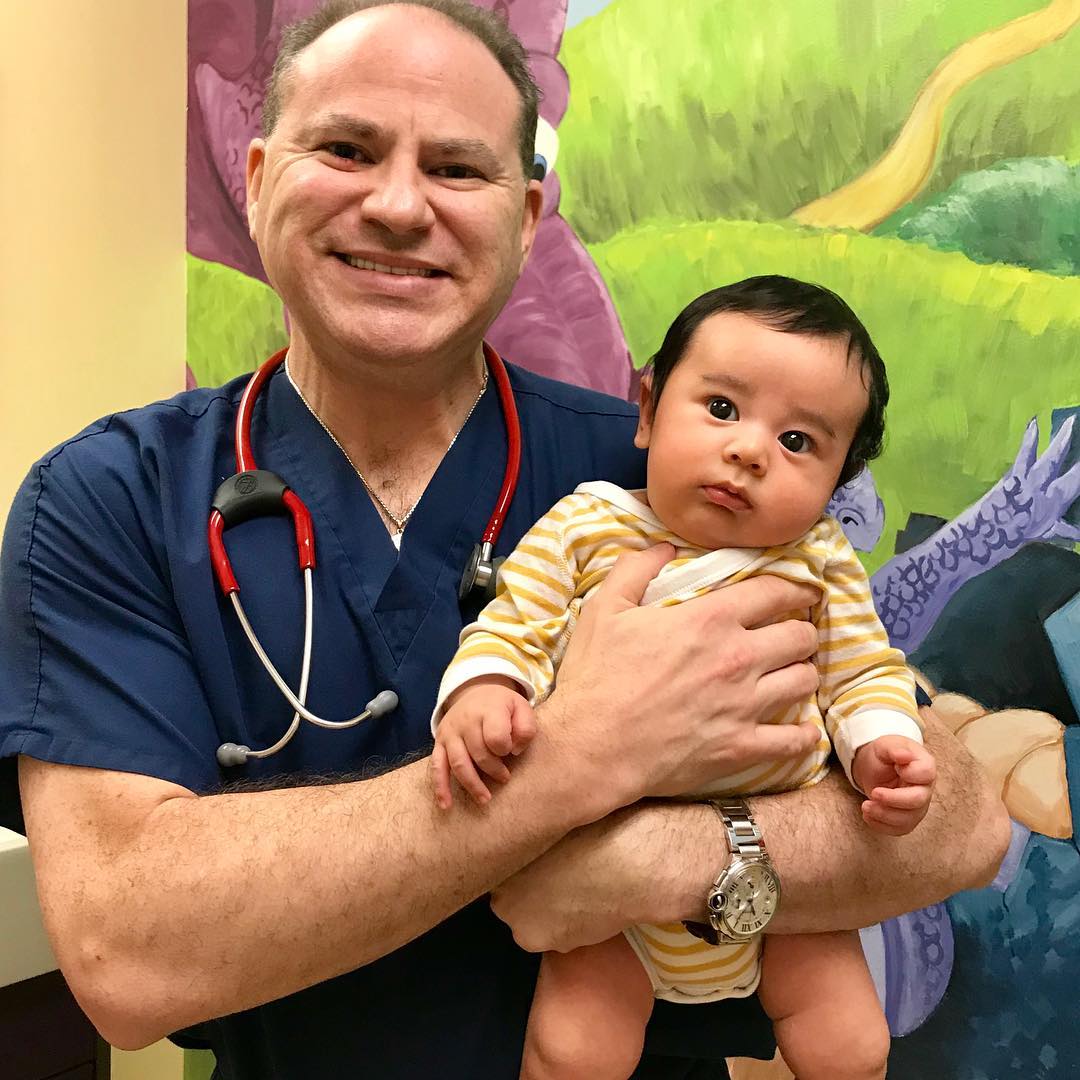

Pediatricians guide families through routine care that protects children from preventable diseases. They administer vaccines, monitor growth, and answer questions about safety. Their work combines clinical knowledge with steady patient communication; this pairing helps families make informed decisions when they plan a child’s care. Preventive medicine forms a large part of their daily practice; providers track progress while managing symptoms over time.
Pediatrician Vaccine Administration
A pediatrician delivers vaccines that protect against many serious diseases. By age 18, a child is recommended to receive vaccines that protect against 17 potentially serious conditions, and these include measles, polio, tetanus, hepatitis A and B, and several others. Because some vaccines need more than one dose, the recommended schedule spreads protection across childhood; the totals add up as yearly flu shots are included.
Vaccine benefits continue to outweigh the risks for routine diseases. The measles-mumps-rubella vaccine carries small risks; these risks remain far lower than the effects of a measles infection itself. Among 10,000 children who get measles, roughly 2,000 face hospitalization, while the same number who get the vaccine produce only about three fever-related seizures.
Pediatrician Safety Monitoring
Pediatricians rely on monitoring systems that track vaccine safety. These systems matter because even large trials may miss a rare safety signal that appears only after millions of doses. Several national programs collect reports, and follow-up studies confirm whether a vaccine plays any role in a reported condition.
Pediatrician Preventive Services
Vaccines reduce the likelihood of illness; they often lessen severity when infection still occurs. Chickenpox cases dropped substantially after the vaccination program began, while whooping cough protection applies broadly across pediatric populations after full vaccine schedules. Most vaccines do not eliminate every infection risk, so pediatricians explain that protection still reduces complications, hospitalizations, and long-term effects.
Pediatricians offer more than vaccines during routine visits. Practices provide sick visits, wellness exams, and annual physicals for patients of all ages, and these services help families maintain healthy habits and manage conditions early. Providers offer diagnostic testing, lifestyle-change counseling, and specialist referrals, so children gain coordinated support that addresses many health needs at once.
Preventive care extends to guidance when vaccines are not an option. Providers recommend handwashing, improved indoor airflow, and well-fitting masks in high-risk settings, and they advise families to stay home during illness. Patients who develop symptoms can call their provider, and antibiotics or antivirals may be available for certain infections. These measures support immune health, though they do not match the protection that vaccines provide.
Make an Appointment
Pediatricians combine immunization with broader preventive services. They administer routine vaccines, monitor safety through national systems, and explain the evidence behind each recommendation. Their preventive work spans wellness exams, counseling, and referrals, and this range helps families manage health across many stages. Children benefit from steady, informed care, and providers guide that process by tracking progress and answering questions with clear, factual information that families can use to make decisions. Make an appointment with your local clinic to get started. They can answer any questions, and help you make an informed decision.