
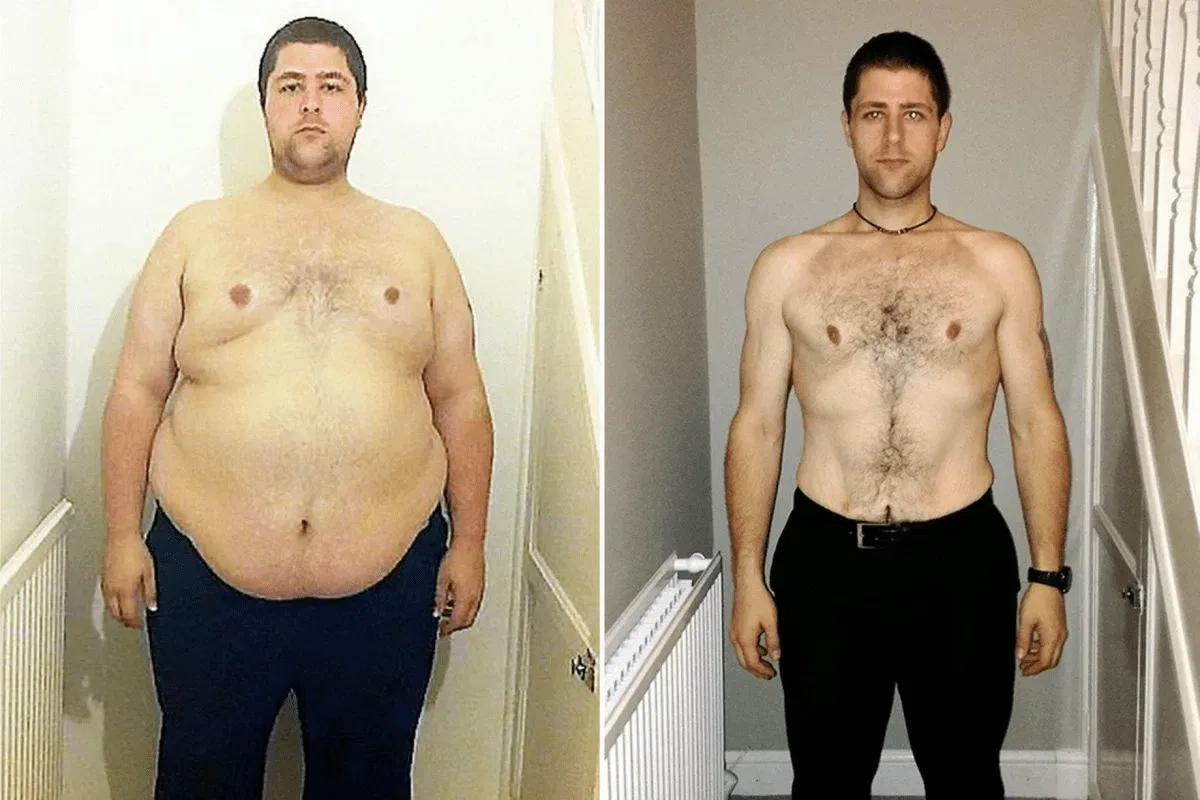

Bariatric surgeries are procedures that change the digestive system to support weight loss. These weight loss operations work by reducing the size of the stomach, altering how the body absorbs nutrients, or both. People may get this type of surgery after other weight management methods have not produced the results they were seeking. Weight loss surgery preparation involves several stages, from the first specialist consultation through the recovery period. Here’s information on what steps to take when preparing for weight loss surgery:
When To See a Specialist
When efforts with diet, exercise, and behavioral changes fail to produce or sustain long-term weight loss, bariatric surgery may be recommended. People getting weight-loss surgery need to commit to post-surgery lifestyle changes, including dietary adjustments and follow-up care, which are key to achieving lasting results. Weight loss surgery is not always the appropriate option for everyone, so determining candidacy requires careful evaluation.
Individuals who are often good candidates for bariatric surgery have a body mass index (BMI) of 40 or higher, or a BMI of 35 or higher with obesity-related health conditions. Three common health conditions include type 2 diabetes, hypertension, and severe sleep apnea. A consultation with a bariatric surgery specialist is the starting point for anyone exploring weight loss surgery.
During this meeting, the specialist reviews an individual’s medical history, current health, and goals. They also explain the available surgical options. Three common weight loss procedures include:
- Roux-en-Y Gastric Bypass: This procedure creates a small stomach pouch and reroutes part of the small intestine to connect to it. The change reduces the amount of food the stomach can hold and alters nutrient absorption.
- Sleeve Gastrectomy: A large portion of the stomach is removed, leaving a smaller, tube-shaped section. The remaining stomach holds less food.
- Revisional Weight Loss Surgery: This option is for people who have already had a bariatric procedure and need a follow-up operation, either to address complications or to adjust the original outcome.
Each option has distinct benefits and risks, which a specialist can explain. The right choice depends on individual health factors.
How To Prepare Before Surgery
Preparation for bariatric surgery usually spans several weeks or months. The care team may have someone complete medical tests, consultations, and lifestyle adjustments before scheduling their procedure. Some common preparation steps include:
- Completing lab work, imaging, and other diagnostic tests
- Meeting with a dietitian to learn about pre-surgery eating guidelines
- Adjusting medications under clinical supervision
- Stopping smoking, if applicable, based on clinician guidance
- Arranging time off work and support at home for the recovery period
Some programs include a structured pre-surgery diet, so the medical team will explain what to eat and drink in the days leading up to the operation. Organizing transportation and post-surgery help in advance is a proactive way to prepare for a surgical procedure.
What To Expect After
Recovery varies based on the procedure and the individual; Many people stay in the hospital for one to several days while being monitored. Initial activity is limited, with a gradual return to normal routines over the following weeks. Diet progresses in stages after surgery. Patients typically begin with liquids, then move to pureed foods, soft foods, and eventually solid foods. Following these stages as directed supports healing.
Nutritional supplementation may be required after surgery, depending on the procedure and a clinician’s guidance. Because bariatric operations change how the body absorbs nutrients, people often need more vitamins and minerals to maintain adequate levels. Regular follow-up appointments allow the team to track progress and adjust recommendations as needed. Physical activity usually increases slowly, and the clinician will advise when someone can resume specific exercises. Attending all scheduled check-ins helps the team address questions and monitor long-term health.
Get Weight Loss Surgery
Bariatric surgery involves a number of steps that begin with a consultation and continue through the preparation, procedure, and recovery. Every person’s body is different, so these steps allow you to make an effective treatment plan. Understanding each phase can help you set realistic expectations and follow your care team’s guidance. If you are interested in medical weight loss, schedule a consultation with a weight specialist to learn which options may suit your body.