
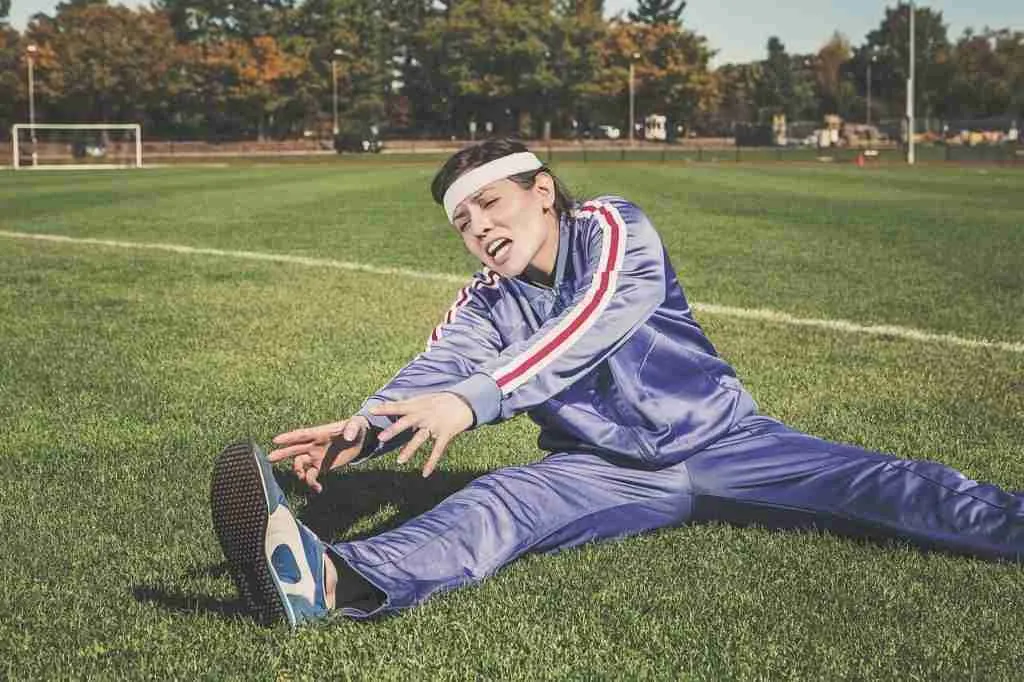

A sports injury is physical damage that happens during athletic activity, and they range from minor sprains to fractures, dislocations, and torn ligaments. Though some heal fully within weeks, others leave lasting effects that shape how your body functions. Here are some long-term effects of sports injuries:
Chronic Pain
Pain that lingers after the expected healing period is called chronic pain. It typically lasts longer than three months, and it persists even after the original tissue damage has been repaired. A torn rotator cuff, a fractured ankle, or a herniated disc may leave behind discomfort that flares with movement or extended periods of rest. Lingering pain is sometimes caused by:
- Nerve damage
- Scar tissue
- Altered movement patterns
Athletes who push through a sports injury without proper treatment tend to develop compensatory habits, shifting load onto other muscles and joints. This places stress on areas that were never meant to carry it, and it creates new pain sites far from the original injury. Recovery often takes longer when multiple body regions become involved.
Recurrent Joint Instability
Joint instability happens when the structures that hold a joint in place no longer provide enough support. After a serious sprain or dislocation, ligaments, tendons, and surrounding muscles may stretch or tear and heal in a looser state. The knee, ankle, and shoulder are commonly affected. You might notice a sense of “giving way” during routine activities like walking down stairs or reaching overhead. Swelling, weakness, and a feeling of joint shifting are also signs of instability. Each episode adds wear to the cartilage, and this may increase the long-term risk of osteoarthritis. Strengthening the muscles around an unstable joint improves control, though the underlying laxity often persists without targeted treatment.
Risk of Reinjury
A previous injury is often a strong predictor of a future one, and it can permanently alter movement patterns. Athletes with ACL tears face a higher chance of a second tear when returning to sport than those who have never been injured. This increased risk often depends on how the body recovers after the initial injury.
After an injury, healed tissue rarely returns to its original strength, and muscle imbalances can develop during recovery. Returning to full activity before regaining strength, balance, and coordination leaves the body unprepared for game-speed demands. Fear of reinjury also changes how some athletes move, which raises their risk.
Rehabilitation should address strength, mobility, and movement mechanics to reduce these gaps. A structured return-to-play plan gives the body time to rebuild, and it helps restore safer movement patterns. If athletes skip these steps, they are more likely to experience repeat injury after recovery.
Work With a Sports Injury Specialist
The long-term effects of sports injuries are more effectively managed when they are clearly understood. A sports injury specialist assesses your injury history, current symptoms, and movement patterns to build a treatment plan suited to your goals. They track your progress and adjust your rehabilitation as your strength and stability improve. Schedule an appointment with a sports injury specialist today to discuss personalized plans for chronic pain or reinjury prevention.