
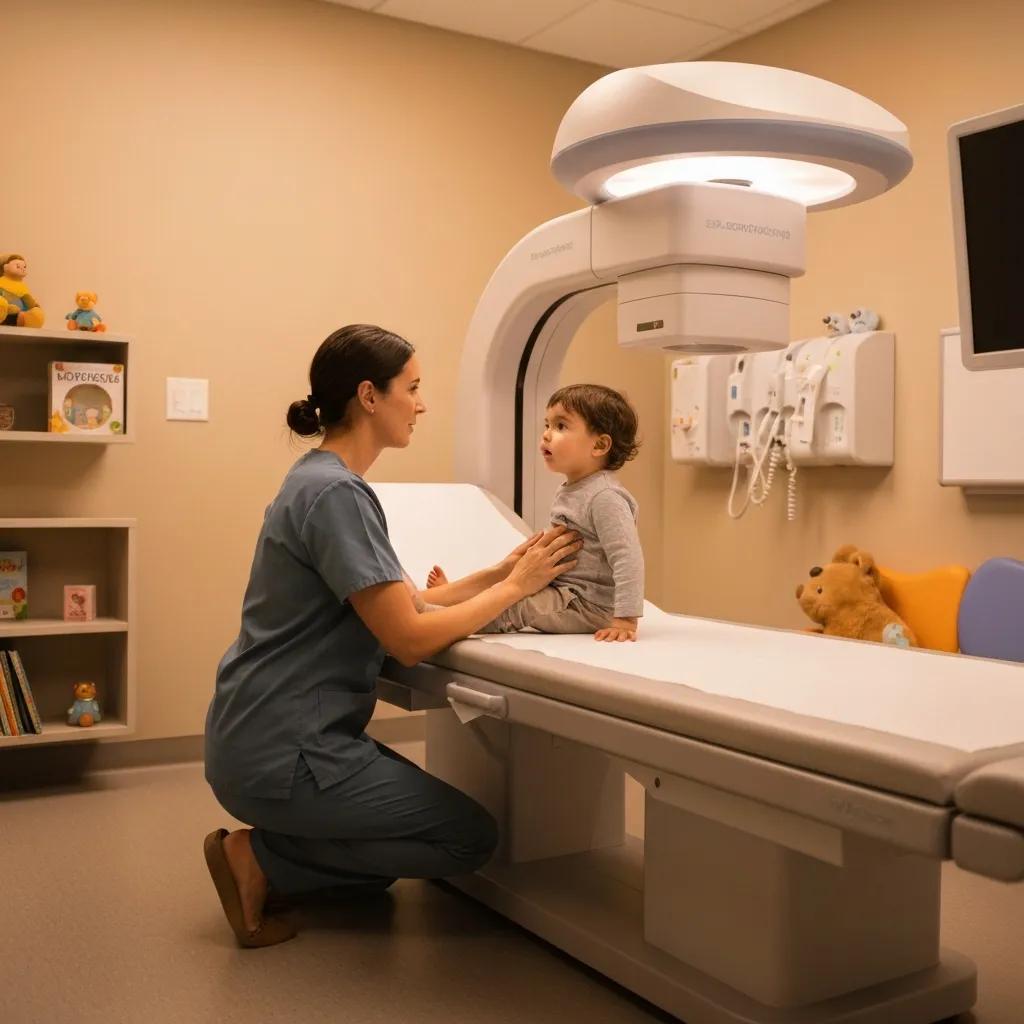

A well visit checks your child’s health. These appointments track growth, and they catch concerns early. Pediatrics providers use these visits to build a record over time, so they can compare results year to year. Knowing the steps ahead can help you prepare your questions while being ready for the appointment.
Review History and Measurements
The pediatrics visit usually starts with a review of your child’s history. The provider asks about recent illnesses, and they note any family health patterns. They may also ask about sleep, diet, and daily habits, so they spot changes that matter. Mention new symptoms or concerns, and the provider will record them for follow-up. Bring a list of current medications, since accurate records support safe care. Some questions cover behavior, mood, or school performance, and these details help shape the rest of the visit.
This review sets the stage for the exam, and it gives the provider context for the steps ahead. Next comes a set of measurements. Staff record height, weight, and head circumference for younger children. These numbers plot on a growth chart, and the chart shows progress against age-based ranges. A single measurement offers limited insight, but a series of readings reveals trends that guide care decisions. Ask what the numbers mean, since the provider will explain them in plain terms. Steady patterns support families.
Examine Body and Development
Since the physical exam covers the body from head to toe, it is thorough. The provider listens to the heart and lungs. They check the eyes, ears, mouth, skin, and joints, and they look for signs that need attention. They check the abdomen, and they assess posture and movement. Point out any concerns, such as rashes or pain, and the provider will look closely. This part is brief, yet it gives the provider useful information about your child’s overall condition. A developmental review follows. The provider asks how your child moves, speaks, and interacts. You may complete a short questionnaire, and the answers help the provider gauge growth.
Complete Screenings and Vaccinations
Some visits include screenings or lab work. The provider selects tests based on your child’s age and history, so they may change at each visit. Since every child is unique, there may be additional testing recommended. Common screenings include:
- Vision and hearing checks at certain ages
- Blood tests for iron levels or cholesterol when needed
- Weight and head width measurements for younger children
- Mental health questions to identify concerns early
Some visits include screenings or lab work. Vision and hearing checks are common at certain ages. The provider may order blood tests for iron levels or cholesterol when age or history suggests a need. Weight testing applies to younger children, and the provider will explain when it matters. Some screenings cover mental health, and these questions help identify concerns early. You can ask why a test is recommended, and the provider will explain the reason. Results may come during the visit, or the office will contact you later. These screenings stay optional in many cases, but they offer data that supports better decisions.
Schedule Your Pediatrics Visit
A well visit gives you a clear picture of your child’s health. You leave with measurements, exam results, and guidance for the months ahead. Bring your questions and any records from past care, and the provider can use that information during the appointment. Contact your pediatrics team today since they can book your next well visit.