
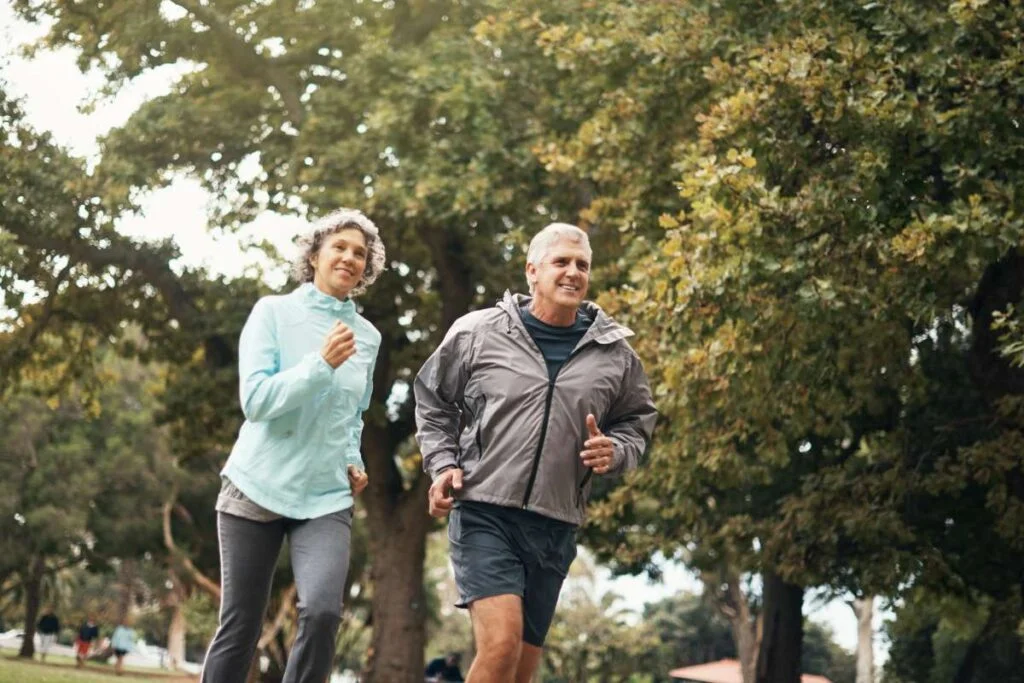

Living a long, healthy, and fulfilling life is a goal that many people share. While genetics can influence health, daily lifestyle choices often have a much greater impact on overall wellbeing. One of the most effective ways to improve health and quality of life is through active living. This is why active living strategies for long-term wellbeing have become an important topic in modern health and wellness discussions.
Active living is more than simply exercising at a gym. It involves making movement and healthy habits a natural part of everyday life. Walking, cycling, gardening, stretching, participating in sports, and staying socially engaged all contribute to an active lifestyle. Research shows that regular physical activity can improve heart health, strengthen muscles and bones, reduce anxiety, improve sleep, and support healthy aging.
Many wellness articles on www.numberlina.com emphasize that long-term wellbeing comes from consistent habits rather than short-term efforts. Small daily actions can create lasting improvements in both physical and mental health.
In this article, we will explore the importance of active living strategies for long-term wellbeing, discuss practical ways to stay active, and explain how an active lifestyle can support health at every stage of life.
What Is Active Living?
Active living means incorporating physical activity into daily routines rather than limiting movement to structured exercise sessions.
Examples include:
- Walking instead of driving short distances
- Taking the stairs
- Gardening
- Household chores
- Cycling
- Playing recreational sports
The goal is to reduce sedentary behavior and make movement a natural part of everyday life.
Health experts explain that active living helps reduce the risk of chronic diseases while supporting overall physical and mental wellbeing.
Why Active Living Matters for Long-Term Wellbeing
Modern lifestyles often involve long hours of sitting at desks, using computers, or watching screens.
A sedentary lifestyle may increase the risk of:
- Obesity
- Heart disease
- Diabetes
- High blood pressure
- Depression
Active living helps counter these risks by keeping the body moving regularly.
Research shows that physical activity contributes to greater longevity, improved cardiovascular health, stronger muscles, better balance, and healthier body weight.
This is why active living strategies for long-term wellbeing are recommended by healthcare professionals worldwide.
Benefits of Active Living
An active lifestyle offers numerous advantages.
Better Physical Health
Regular movement supports:
- Heart health
- Lung function
- Muscle strength
- Bone density
- Flexibility
Physical activity can help prevent or manage many chronic health conditions.
Improved Mental Health
Exercise and movement are closely connected to emotional wellbeing.
Benefits include:
- Reduced anxiety
- Improved mood
- Lower stress levels
- Better self-confidence
Even a single session of physical activity can reduce feelings of anxiety and improve mood.
Increased Longevity
Studies consistently show that active individuals often live longer and experience better quality of life as they age.
Better Sleep
Regular activity can improve sleep quality and help individuals feel more refreshed during the day.
Walking: The Simplest Active Living Strategy
Walking is one of the easiest and most accessible forms of physical activity.
Benefits include:
- Improved cardiovascular health
- Better mood
- Increased energy
- Weight management
Walking requires no special equipment and can easily fit into most daily routines.
Many experts recommend making walking a daily habit as part of an active lifestyle.
Strength Training for Healthy Aging
Strength training is important for maintaining muscle mass and bone health.
Examples include:
- Bodyweight exercises
- Resistance bands
- Dumbbells
- Weight machines
Benefits include:
- Increased strength
- Better balance
- Improved mobility
- Reduced fall risk
Strength training becomes particularly important with age because muscle mass naturally declines over time.
Flexibility and Mobility Exercises
Flexibility helps maintain comfortable movement and reduces stiffness.
Activities include:
- Stretching
- Yoga
- Pilates
Benefits include:
- Improved range of motion
- Better posture
- Reduced injury risk
Flexibility exercises support overall mobility and independence.
Balance Training
Balance becomes increasingly important as people age.
Exercises that improve balance include:
- Tai Chi
- Single-leg stands
- Balance-focused workouts
Better balance helps reduce the risk of falls and injuries.
Including balance activities in weekly routines supports long-term wellbeing.
Make Everyday Activities More Active
Active living does not always require formal workouts.
Simple strategies include:
Use the Stairs
Choosing stairs instead of elevators adds movement to daily routines.
Walk During Breaks
Short walking breaks can improve energy and focus.
Garden Regularly
Gardening provides physical activity while supporting mental relaxation.
Active Transportation
Walking or cycling for short trips increases daily movement.
These small habits contribute significantly to long-term health.
The Role of Healthy Nutrition
Physical activity works best when combined with proper nutrition.
A balanced diet should include:
- Fruits
- Vegetables
- Whole grains
- Lean proteins
- Healthy fats
Healthy eating supports:
- Energy levels
- Muscle recovery
- Immune function
- Weight management
Research suggests that diets rich in minimally processed plant foods contribute to longevity and overall health.
Mental Wellbeing and Active Living
Active living benefits more than just physical health.
Movement supports mental wellness by:
- Reducing stress
- Improving mood
- Supporting cognitive function
- Enhancing self-esteem
Regular exercise has been associated with better brain health and lower risks of depression and cognitive decline.
Many wellness discussions on www.numberlina.com emphasize the connection between movement and mental wellbeing.
Stay Socially Active
Social engagement is another important part of active living.
Examples include:
- Joining fitness groups
- Participating in community events
- Volunteering
- Playing team sports
Strong social connections contribute to emotional wellbeing and healthy aging. Research shows that maintaining meaningful relationships supports mood and overall quality of life.
Creating a Sustainable Routine
One of the most effective active living strategies for long-term wellbeing is consistency.
Tips for success include:
Start Small
Begin with manageable goals.
Choose Enjoyable Activities
People are more likely to continue activities they enjoy.
Schedule Movement
Treat physical activity as an important daily appointment.
Track Progress
Monitoring activity levels can increase motivation and accountability.
Consistency is more important than perfection.
Technology and Active Living
Modern technology can support healthy habits.
Useful tools include:
- Fitness trackers
- Activity apps
- Smartwatches
- Online workout programs
These tools help individuals monitor progress and maintain motivation.
Common Barriers and Solutions
Many people face challenges when trying to stay active.
| Challenge | Solution |
|---|---|
| Lack of Time | Short daily walks |
| Low Motivation | Exercise with friends |
| Weather Conditions | Indoor activities |
| Busy Schedule | Schedule activity in advance |
| Physical Limitations | Choose low-impact exercises |
Small adjustments can help overcome obstacles and support long-term success.
Long-Term Benefits of Active Living
People who maintain active lifestyles often experience:
- Better physical fitness
- Improved mental health
- Increased independence
- Stronger social connections
- Reduced disease risk
- Greater longevity
Active aging focuses on remaining engaged, healthy, and independent throughout life.
Conclusion
Active living strategies for long-term wellbeing provide a practical and effective way to improve health, happiness, and quality of life. By incorporating regular movement, healthy eating, social engagement, strength training, balance exercises, and positive daily habits, individuals can support both physical and mental wellness for years to come.
As highlighted in many wellness resources on www.numberlina.com, healthy living is not about extreme changes. Instead, it is about making consistent, sustainable choices that encourage lifelong wellbeing. Every step, stretch, walk, and healthy habit contributes to a stronger, healthier future.
Frequently Asked Questions (FAQs)
1. What is active living?
Active living means incorporating physical activity into everyday life through walking, cycling, household activities, recreation, and exercise.
2. Why are active living strategies important for long-term wellbeing?
They help improve physical health, mental wellbeing, longevity, independence, and overall quality of life.
3. What is the easiest way to start an active lifestyle?
Walking regularly is one of the simplest and most effective ways to become more active.
4. How does active living support mental health?
Regular movement can reduce stress, improve mood, support brain health, and decrease feelings of anxiety.
5. Can older adults benefit from active living?
Yes. Active living helps older adults maintain strength, balance, independence, and overall health as they age.