
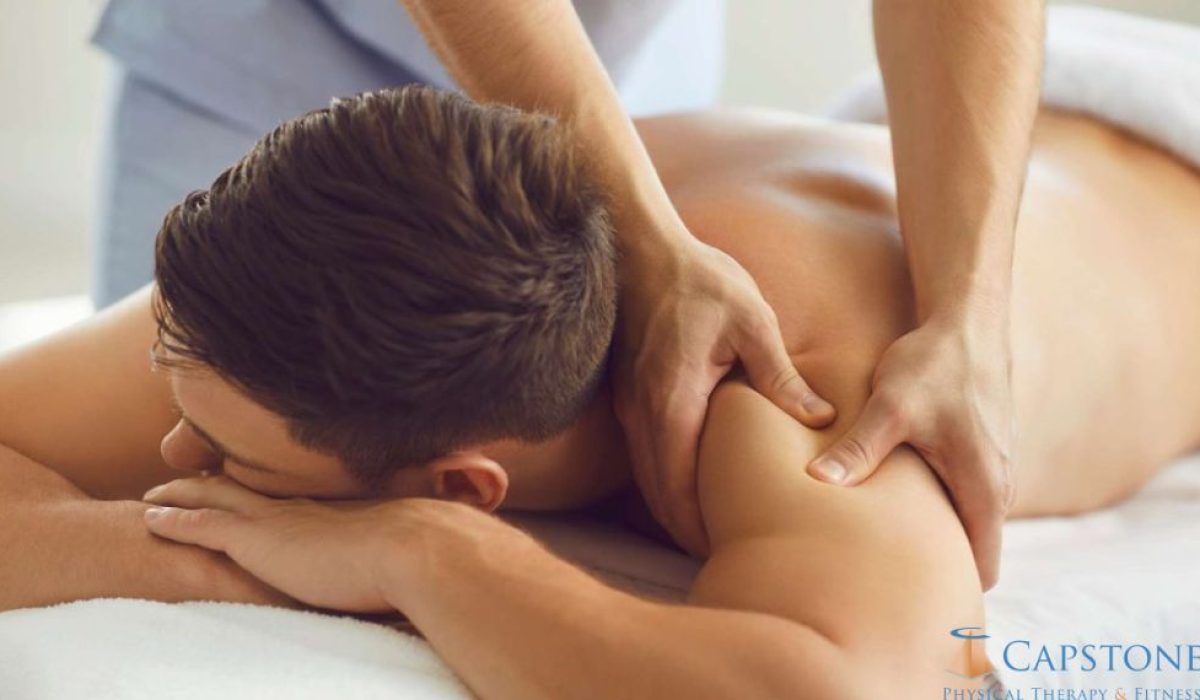

Massage therapy is the hands-on manipulation of soft tissues, which includes muscles, tendons, ligaments, and connective tissue. People often seek massage therapy for relaxation or as one part of a broader approach to managing a health condition or persistent discomfort. Practitioners use techniques such as kneading and applied pressure to influence circulation, muscle tension, and mobility. Here’s information on the benefits of massage therapy for chronic pain management:
What Is Chronic Pain?
Chronic pain is discomfort that persists for three months or longer, often after the original injury or illness has healed. It can affect the joints, muscles, or nerves, and its intensity varies widely from one person to the next. Because chronic pain is complex, many people work with healthcare providers to build a care plan that may combine several approaches. For comprehensive care, some providers may recommend massage therapy. Some common contributors to chronic pain include:
- Arthritis
- Repetitive Strain
- Past Injuries
- Conditions That Affect the Nervous System
How Can Massage Reduce Pain?
Massage therapy may help relieve discomfort by easing muscle tension, improving range of motion, and promoting relaxation. Several techniques are commonly used, and a trained therapist can help match the massage approaches to individual needs. Many people use massage alongside exercise, physical therapy, or guidance from their physician.
Different massage techniques serve different goals, so professional input helps someone managing pain select the most suitable option. Some common massage techniques offered by therapists include:
- Swedish: Uses long, gliding strokes and light to moderate pressure, and it is often selected for general relaxation and circulation.
- Sports: Combines elements of other methods to support active individuals and recovery routines.
- Deep Tissue: Targets deeper muscle layers with firmer pressure to relieve persistent tightness.
- Myofascial Techniques: Focus on the connective tissue surrounding muscles to support flexibility and mobility.
- Myofascial Release (Trigger Point): Applies focused pressure to specific tender spots that may contribute to localized discomfort.
A massage therapist can adjust pressure, pace, and technique based on how the body responds during each session.
What Is Cold Laser Therapy?
Cold laser therapy, or low-level laser therapy, uses low-intensity light directed at specific areas of the body. The term “cold” refers to low energy output, which does not heat the tissue as some other devices do. This laser therapy has shown potential in providing relief for individuals managing chronic pain conditions. Sessions are typically brief and noninvasive, but they aren’t for everyone. A provider may suggest cold laser therapy if someone is exploring additional supportive pain management options for specific areas of discomfort.
This noninvasive treatment method uses low levels of light to penetrate tissues and stimulate cellular healing processes. Cold laser therapy helps reduce inflammation, improve circulation, and promote tissue repair, which are fundamental in addressing chronic pain. When part of an integrative care plan, cold laser therapy offers a drug-free alternative that can complement other treatments, creating a more holistic approach to pain management. Conditions such as arthritis, fibromyalgia, and tendonitis may see improvement through this therapy by alleviating stiffness, reducing swelling, and enhancing mobility over time.
Schedule a Massage Today
Because chronic pain is complex, many conditions require care from massage therapists and other healthcare providers for effective management. To build a care plan for your needs, contact a therapist to learn more. A specialist can help you combine several approaches to reduce discomfort, and they can provide detailed information about your care.