
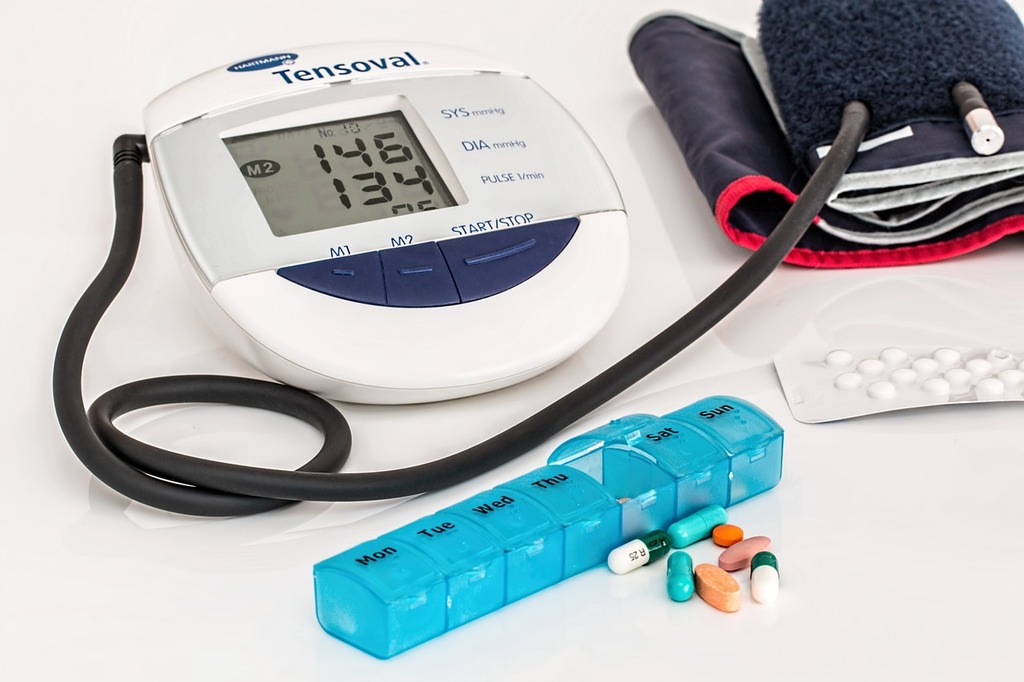

Cardiovascular health requires regular monitoring, and professional medical oversight provides long-term stability. High blood pressure affects many adults, making routine clinical assessments beneficial for patient health. A thorough clinical evaluation by a medical professional provides clarity on diagnosis and treatment options. Here is more information on how a cardiologist can help with high blood pressure:
What Is a Cardiologist?
A cardiologist is a specialized medical doctor focusing on the heart and blood vessels. Since the cardiovascular system functions intricately, cardiologists closely study its complex anatomical mechanisms. They evaluate patients’ symptoms, and they can recommend personalized strategies for effective management.
What Services Do They Offer?
Cardiologists offer a broad spectrum of clinical services for cardiovascular disease management. They conduct diagnostic tests to assess heart function, and they design treatment protocols based on the test results. When patients exhibit symptoms of heart disease, cardiologists use tools such as electrocardiograms and echocardiograms to gather precise data. Treatment plans may include prescription medications, dietary recommendations, and exercise guidelines tailored to the individual patient.
Cardiology clinics also provide preventive care services for high-risk individuals, facilitating improved overall health. Medical teams perform risk assessments, and they identify potential cardiovascular issues before conditions escalate. Coordinated medical care creates a structured approach to long-term heart disease management.
What Is High Blood Pressure?
High blood pressure is the clinical term hypertension. Blood pressure readings consist of two specific numbers measuring systolic and diastolic pressures. A normal reading typically falls below 120/80 mm Hg, and measurements consistently above this threshold indicate potential hypertension. Because elevated blood pressure damages arteries over time, untreated hypertension may lead to severe cardiovascular complications.
What Causes It?
The causes of hypertension are categorized as either primary or secondary, depending on their origin.
- Primary hypertension develops gradually and lacks a single identifiable cause, often stemming from genetics, age, and environmental factors.
- Secondary hypertension appears more suddenly and typically results from an underlying medical issue, such as kidney disease or thyroid problems.
- Certain lifestyle choices can also contribute to elevated blood pressure, including high sodium intake and a lack of physical activity.
A physician conducts a comprehensive evaluation, assessing factors like family history and lifestyle, to determine the specific cause of an individual’s hypertension.
How Can a Cardiologist Help?
A cardiologist helps patients manage high blood pressure through targeted medical interventions and continuous monitoring. During initial consultations, these specialists measure blood pressure to establish clinical baselines. If lifestyle modifications prove insufficient on their own, cardiologists prescribe specific medications to effectively lower blood pressure. Regular follow-up appointments allow physicians to track progress, and they adjust treatment protocols based on the patient’s physiological response.
Cardiologists employ several strategies to manage hypertension safely, and patient education is valuable. Individuals benefit from understanding their prescribed regimens. When patients adhere to these guidelines, their overall cardiovascular risk may decrease. Consulting a cardiologist helps determine what can be done for each situation.
Seek Professional Guidance Today
Managing high blood pressure requires professional medical expertise and consistent clinical oversight. Untreated hypertension may cause severe organ damage over time, so proactive medical intervention preserves long-term health. A cardiologist provides the necessary diagnostic tools, and they develop individualized treatment plans to address specific cardiovascular needs. Schedule an appointment with a cardiologist today to assess your cardiovascular status.