
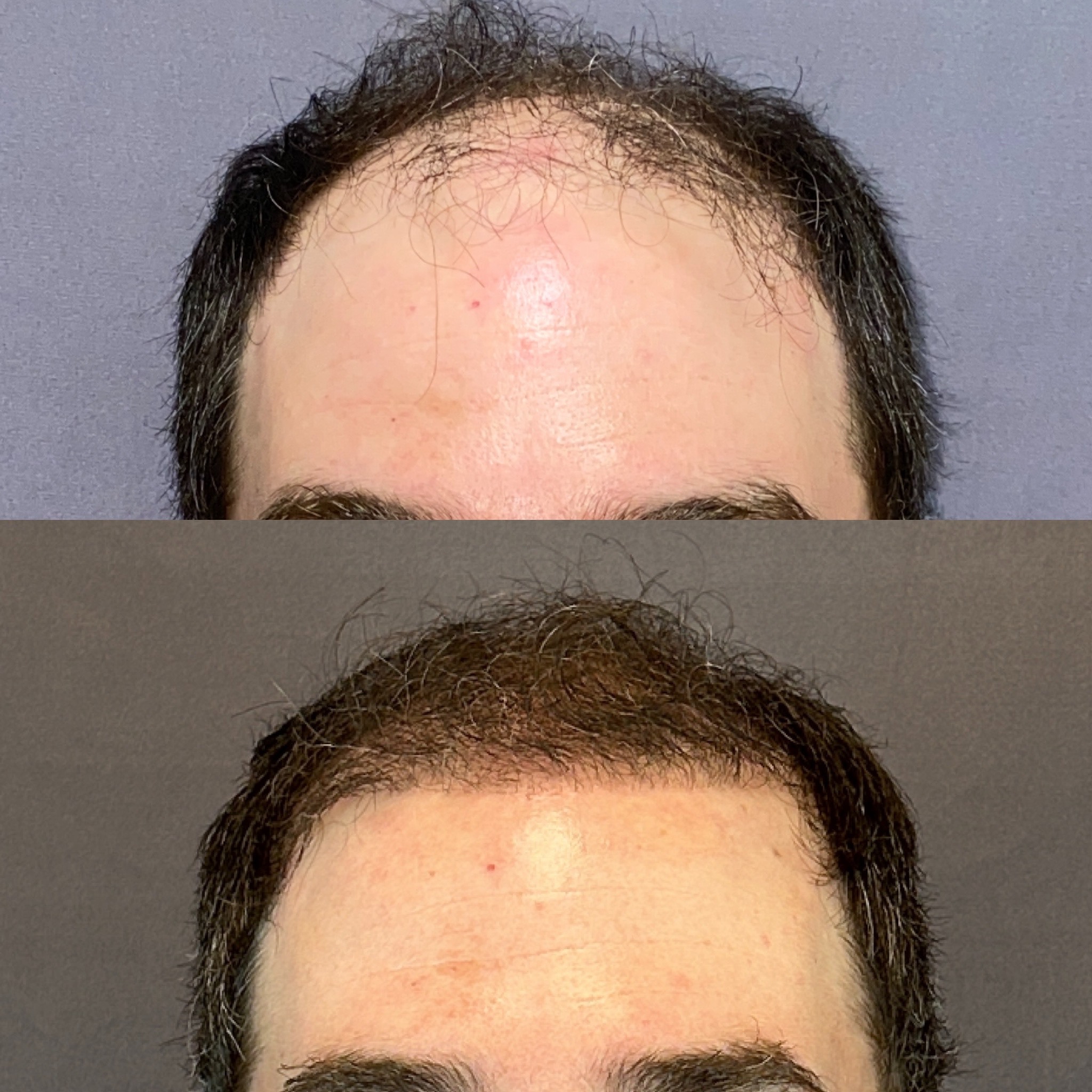

Follicular unit extraction, often shortened to FUE, is a method for moving hair from one part of the head to thinning areas of the scalp. Individual hair groups are taken from the back or sides of the scalp, and these groups are then placed into spots where hair has grown sparse. The procedure works without removing a long strip of skin, which marks one of its main features. Many people facing thinning hair look to FUE hair transplant as one path among several options.
Comparison of Other Methods
FUE and FUT both move hair follicles, yet they differ in how the follicles leave the donor area. FUT involves removing a thin strip of scalp from the back of the head, and a surgeon then divides that strip into smaller groups for placement. The strip method tends to leave a linear scar, while FUE leaves small dot-shaped marks across the donor zone. People with very short haircuts often prefer the smaller marks that come with an FUE hair transplant.
Recovery time is another point of contrast between the two methods. FUE patients often return to light routines within a few days, and the smaller wounds tend to close faster than a strip incision. Because FUT removes skin, the donor area may need more healing time before normal activity resumes. The choice between methods depends on hair type, the size of the thinning area, and personal goals.
Hair Loss Levels
Hair loss follows patterns that doctors group into stages, and these stages help guide treatment planning. A person with early thinning at the temples sits at a different stage than someone with a wide bald crown. Clinics often use the Norwood scale, a chart that ranks hair loss from mild to extensive. The stage of loss affects how many follicle groups a procedure might need. FUE is able to treat most hair loss stages, so an evaluation from a medical professional can usually determine who is eligible for this method.
FUE Benefits
FUE offers a few practical features that interest many people with thinning hair. The method leaves small marks rather than a single line, and this trait suits those who wear their hair cropped close. Because the wounds stay small, many patients describe a shorter window of healing. The technique also allows follicles to be taken from more than one part of the body when the scalp donor area is limited.
Flexibility in donor selection shapes how surgeons plan each session. A surgeon can space out the extraction across a wide region, which helps keep the donor area looking even. The session length varies with the number of groups moved, and larger cases are sometimes split across multiple visits. Hair type and density both play a role in how a plan takes shape.
The time commitment factors into the decision for many people. FUE sessions can run longer than strip procedures, and it often requires a more specialized medical professional. While the method asks for patience during the process, experienced physicians produce good results.
Schedule an FUE Hair Transplant Consultation
A consultation with a specialist provides a baseline for hair loss, and it can offer a plan forward. A specialist usually examines the scalp and donor area to discuss a plan during a visit. If you want to know if you qualify for this treatment, contact a specialized clinic to schedule an appointment.