
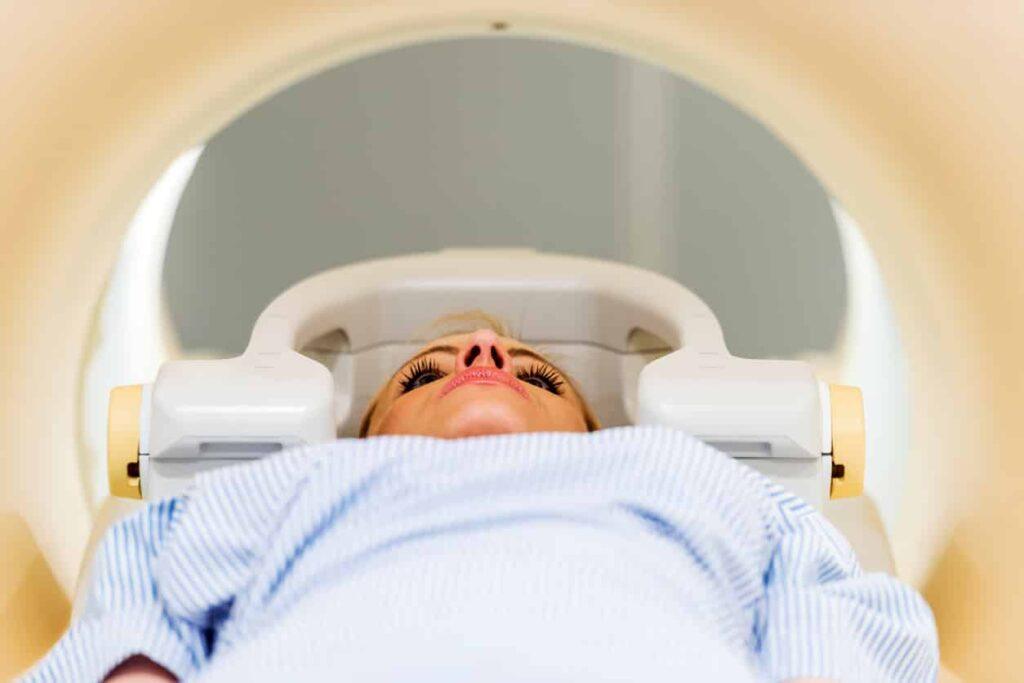

Radiation therapy uses targeted energy beams to treat cancer cells, and many forms exist. Doctors apply this treatment to many cancer types, typically combining it with surgery or chemotherapy. When you understand the available techniques, you gain clarity about your treatment options, and each method serves a distinct purpose based on tumor location and size. Here are some imaging techniques used to treat types of cancer:
Intensity-modulated Radiation Therapy
Intensity-modulated radiation therapy (IMRT) adjusts beam strength across the treatment area. This method shapes radiation to match the tumor, and it limits exposure to nearby tissue. Doctors apply IMRT to head and neck cancers, where delicate structures sit close to tumors.
Prostate cancer treatment also relies on IMRT. The technique divides each beam into smaller segments, and it controls the dose for each one. When tumors wrap around organs, IMRT delivers precise radiation patterns.
Stereotactic Body Radiation Therapy
Stereotactic body radiation therapy (SBRT) delivers high doses in a few sessions. Doctors use SBRT for small lung tumors, and they apply it to liver and spine cancers too. Since the dose stays concentrated, treatment typically finishes within one to five sessions. SBRT works well for patients who cannot undergo surgery, and it targets tumors with steep dose gradients. The system locks onto the tumor while sparing surrounding tissue.
Image-guided Radiation Therapy
Image-guided radiation therapy (IGRT) uses scans during each session. The scans confirm tumor position, and they account for daily shifts inside the body. When organs move between sessions, IGRT corrects the beam alignment.
Doctors apply IGRT to tumors that change position, such as those in the lungs or prostate. The imaging happens right before treatment, and it improves placement accuracy. This approach may reduce the margin needed around the tumor.
IGRT supports several cancer types through different imaging tools:
- Cone-beam CT scans for prostate and bladder tumors
- Ultrasound guidance for abdominal cancers
- X-ray imaging for bone and spine targets
Each tool matches a specific clinical need. The team selects imaging based on tumor type, and they verify the position before delivering radiation. This step keeps treatment aligned across multiple sessions.
Volumetric Arc Therapy
Volumetric arc therapy (VMAT) rotates the radiation source around the patient. The machine delivers radiation in continuous arcs, and it shapes the dose as it moves. Since the beam circles the body, treatment sessions often run shorter.
Doctors apply VMAT to complex tumors in the brain, pelvis, and chest. The rotating delivery adjusts beam shape and intensity at the same time. When tumors have irregular shapes, VMAT conforms the dose to those contours.
VMAT suits situations where speed and precision matter together. The technique covers large treatment areas, and it maintains tight dose control. Shorter sessions reduce the time patients spend on the treatment table.
Schedule Radiation Sessions Today
Your treatment plan depends on cancer type, location, and stage. A radiation oncology team can review your diagnosis, and they aim to match the technique to your case. When you meet with specialists, you receive a clear explanation of each option. Call an oncology clinic today to schedule your consultation. When you are ready to move forward, they guide you through the next steps.