
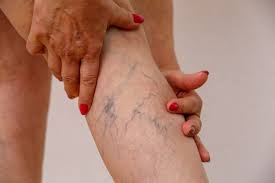

Varicose veins are enlarged, twisted veins that appear on the legs; they form when valves inside the veins weaken, and blood begins to pool. You may notice bulging, blue, or purple lines beneath your skin. To reduce pain and slow their progression, several daily habits may help. Here are some preventive measures to control and manage varicose veins:
Wear Compression Stockings
Compression stockings apply steady pressure to your legs. They support blood flow back toward your heart, and they limit varicose veins in the lower legs. When you wear them during long periods of sitting, swelling tends to decrease. Many people put them on in the morning before standing for the day.
Different styles suit different needs, so a few options are worth knowing:
- Knee-high stockings for mild swelling
- Thigh-high stockings for wider coverage
- Prescription-grade socks for diagnosed conditions
Talk with a clinician about the right pressure level. The wrong fit may feel tight, and it could limit circulation instead of helping. A proper fit gives you a comfortable, supportive result.
Stay Physically Active
Movement keeps the calf muscles working, and those muscles help pump blood upward. Walking is a low-impact option that fits most routines. When you stay seated for long stretches, circulation slows in the legs. Regular activity counters that effect.
Choose movements that engage the lower legs. Useful options include walking, swimming, cycling, or performing calf raises at your desk. Aim for consistent activity rather than occasional intense sessions. You build steady circulation habits, and your legs respond to the routine. Short walks every hour break up long periods of sitting.
Keep Legs Elevated
Elevating your legs reduces pressure inside the veins. Raise them above heart level for short periods throughout the day. When you rest your legs on a cushion, blood drains more easily toward the heart. This simple habit eases the heavy feeling many people describe.
Try elevating your legs after long shifts. You sit or stand for hours, and the veins work harder during that time. A brief rest with raised legs offers relief.
Keeping your legs elevated may:
- Improve blood circulation by allowing gravity to assist blood flow back to the heart.
- Reduce swelling and inflammation in the legs and feet.
- Lower the feeling of tiredness and heaviness in the legs.
- Help decrease pressure in the veins, preventing further pain.
- Support overall vein health and can help reduce varicose veins.
Control Weight
Extra body weight adds pressure to the veins in your legs. A balanced diet supports weight management, and steady activity helps. When you maintain a healthy weight, the strain on leg veins drops, and this change matters for people who stand often. Reducing salt intake can help limit fluids, and swelling may decrease when sodium stays low. Pair that adjustment with fiber-rich foods for better overall results.
Get Treated for Varicose Veins
Preventative habits reduce pain, yet some veins need medical attention. A vascular specialist examines the veins and recommends suitable options. When symptoms persist or worsen, professional treatment addresses the root cause. Schedule a consultation with a vein specialist today to discuss your options.