
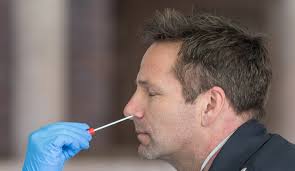

COVID testing plays a fundamental role in helping individuals, healthcare providers, and communities identify infections and reduce the spread of illness. Understanding its impact can help patients and communities recognize why testing remains a part of disease prevention and health management. Here is a closer look at the impact of COVID testing on public health:
Detecting Cases Early
One of the direct functions of COVID testing is identifying cases before they multiply. When a person tests positive early, they can take steps to limit contact with others; this interrupts the chain of transmission. Early detection also gives healthcare providers a clear picture of who is sick and where cases are appearing.
Rapid and widespread testing helps public health agencies track outbreaks in real time. A community that tests frequently produces more data, and that data reflects actual infection rates rather than estimates. This makes early detection less about individual diagnosis and more about generating the information needed to respond at scale.
Reducing Community Spread
Consistent COVID testing reduces the number of undetected cases circulating in a population. When people know their status, they can take appropriate steps to avoid spreading the virus to others. Here are several ways testing contributes to limiting community spread:
- Identifying asymptomatic carriers: People who carry COVID-19 often show no symptoms; testing detects these cases that would otherwise go undetected and unmanaged.
- Supporting isolation decisions: A confirmed positive test result gives individuals a clear, fact-based reason to isolate.
- Enabling contact tracing: A positive test triggers a process where recent close contacts can be notified and tested.
- Reducing unknowing exposure: People who test negative can make informed decisions about interactions, particularly in shared spaces or around high-risk individuals.
- Improving outbreak response: When testing data shows a spike in cases in a specific area, local authorities can direct resources and communication to that area more effectively.
These functions make testing a fundamental tool for managing how the virus moves through communities.
Supporting Healthcare Planning
Hospitals, clinics, and public health departments rely on COVID testing data to allocate staff, equipment, and space. When testing volume is high and results are reported consistently, healthcare systems can anticipate patient surges and prepare accordingly. Planning based on real data is often more precise than planning based on projections alone. Accurate diagnosis makes sure patients receive appropriate care, and it prevents healthcare resources from being misdirected. A patient presenting with respiratory symptoms may test negative for COVID-19 but positive for another condition that requires a different treatment approach.
Protecting Vulnerable Groups
Certain populations face higher risks from COVID-19, including older adults, people with underlying health conditions, and those with limited access to healthcare. Here is how targeted testing efforts can help protect them:
- Screening in high-risk settings: Regular testing in nursing homes, assisted living facilities, and similar environments helps detect cases before they reach residents who are most vulnerable.
- Protecting caregivers and household members: Testing individuals who live with or care for high-risk people can prevent inadvertent transmission in close-contact settings.
- Informing clinical decisions: When a vulnerable patient tests positive early, their care team can monitor them more closely and adjust their care plan based on confirmed information.
These measures make COVID testing a practical way to create a layer of protection around populations that are least able to manage severe illness.
Schedule Your COVID Testing Today
COVID testing supports public health by detecting cases early, limiting community spread, and protecting those at highest risk. Each of these functions depends on consistent participation from individuals and communities. Testing is most effective when it happens regularly and when results are reported accurately. Contact a trusted healthcare provider near you to schedule your COVID testing today.