
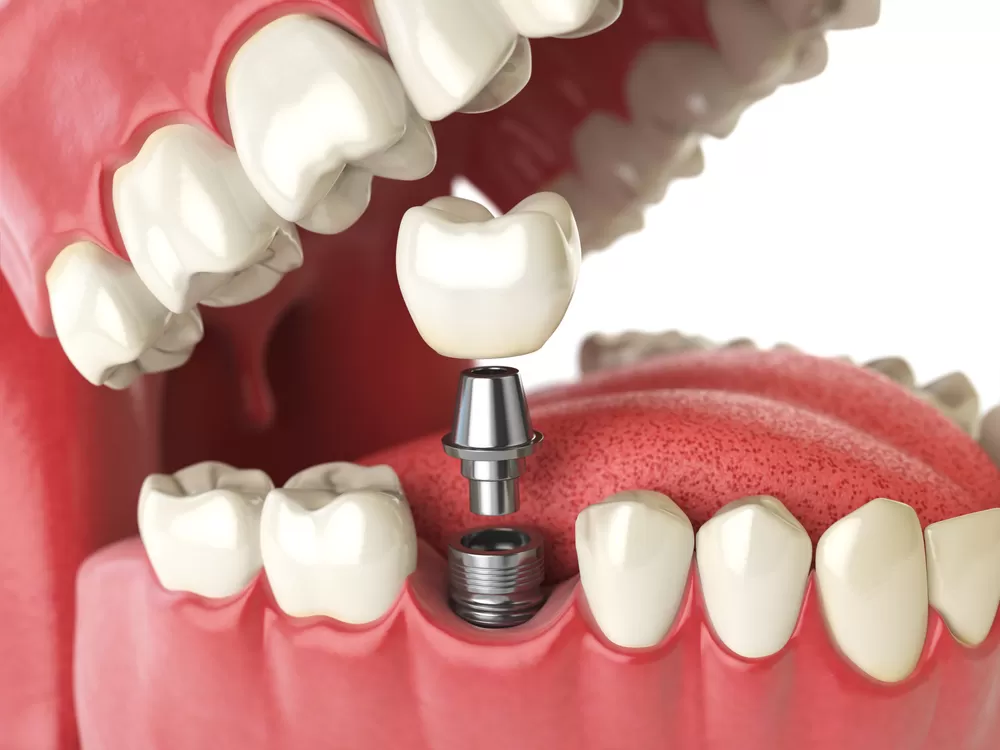

Losing a tooth affects more than your appearance, and the gap left behind triggers a chain of physical changes in your mouth, jaw, and surrounding teeth. Tooth replacement options, including dental implants, bridges, and partial dentures, address these changes directly. Acting promptly after tooth loss gives your mouth the best chance to maintain its structure and function. Here are some of the benefits of tooth replacement:
Preserved Bone
Bone loss begins quickly after a tooth is removed, and it progresses steadily without intervention. The jawbone needs stimulation from chewing forces to maintain its density. Dental implants provide this stimulation, and they integrate directly with the bone to slow resorption. Without a replacement, the bone can shrink noticeably within the first year.
Significant bone loss changes the shape of your face over time. A jawbone that lacks stimulation loses height and width, which alters facial contours. This structural change can make future tooth replacement more complicated. Early replacement preserves the bone volume needed for a stable foundation.
Aligned Teeth
Teeth shift toward open gaps, and this movement happens gradually without obvious early signs. Each tooth relies on its neighbors for positional support. Once a tooth is missing, adjacent and opposing teeth begin to drift or tilt into the space.
This drifting creates several measurable problems:
- Increased spacing between remaining teeth
- Uneven bite pressure across the jaw
- Greater difficulty cleaning between misaligned teeth
In some cases, misalignment increases the risk of decay and gum disease in affected areas. Crooked teeth are harder to clean, and plaque accumulates in new locations. Replacing a missing tooth stops the drifting process before it advances.
Restored Chewing Function
Chewing efficiency drops when a tooth is missing, and the remaining teeth absorb more pressure as a result. A full set of teeth distributes bite forces evenly across the jaw. Missing teeth disrupt this distribution and put strain on specific teeth.
Over time, overloaded teeth wear down faster than they would under normal conditions. This accelerated wear weakens enamel and increases fracture risk. A replacement tooth restores balance, and the surrounding teeth experience normal levels of force again.
When needed, patients can adjust their diet after tooth loss. They avoid hard or chewy foods that require full bite strength, and this impacts daily habits. Replacing the tooth allows a return to a normal, varied diet without discomfort.
Improved Speech
Teeth play a direct role in forming certain sounds. A missing front tooth particularly disrupts the production of these sounds, and speech changes after tooth loss can affect communication. For some people, a replacement tooth restores the physical structures that speech sounds depend on. Patients may notice an improvement in articulation shortly after fitting.
Schedule Tooth Replacement Treatment
Delaying tooth replacement allows bone loss, shifting, and functional decline to compound over time, and each of these changes can make treatment more complex. Acting within a few months of tooth loss limits the extent of these downstream effects. Talk to your dentist about replacement options that fit your specific situation. Contact our office today to schedule a consultation and take the first step toward restoring your smile and oral health.