
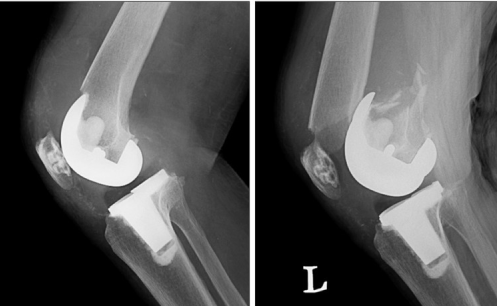

Joint replacement surgery is a common orthopedic procedure that involves removing a damaged joint and replacing it with an artificial implant. A physician may recommend this treatment for people with significant joint deterioration, chronic pain, or limited mobility; these issues interfere with daily activities. Understanding the potential long-term outcomes of this surgery supports informed decision-making and helps patients develop realistic expectations for life after surgery. Here is information about the long-term impact of joint replacement surgery:
Exploring Mobility Over Time
A primary reason people explore joint replacement is the potential for improved mobility. When a joint is significantly worn or damaged, basic movement becomes restricted. A replacement implant is designed to restore more natural joint mechanics, and this may support a wider range of motion over time.
Outcomes vary from person to person; age, activity level, overall health, and the specific joint involved all play a role in how mobility develops post-surgery. Patients may find that improved mobility makes it easier to participate in daily exercise and recreational activities. Regular follow-up with a care team remains fundamental to monitoring progress.
Examining Day-to-Day Function
Joint problems create practical obstacles in daily life. Navigating stairs, standing for extended periods, and managing tasks that require physical stability often become harder as joint deterioration progresses. After recovery, individuals may find it easier to manage everyday routines that previously required workarounds or outside assistance. This has meaningful implications for work and personal schedules. People whose jobs involve moderate physical activity may return to those responsibilities in ways that weren’t practical before. Any return-to-work timeline should be developed in close coordination with a medical provider.
Reducing Reliance on Assistive Devices
Before surgery, individuals with joint deterioration may rely on assistive devices to safely manage daily activities. These include:
- Canes and walking sticks
- Walkers and rollators
- Grab bars and handrails
- Knee braces or joint supports
- Shower chairs and raised toilet seats
In some cases, joint replacement may reduce reliance on these accommodations over the longer term. Continuing to use supportive tools after surgery, particularly during the recovery phase, is beneficial for safety. For those who see improvements in stability and strength through rehabilitation, there may be practical shifts in how they navigate their environment day-to-day.
Understanding Implant Longevity
Modern joint implants are designed to be durable. Many individuals who undergo joint replacement surgery retain their implant for the remainder of their lives. No implant lasts indefinitely, but current designs are generally intended to function for a substantial number of years under normal use conditions. The lifespan of an implant may depend on several factors, including a person’s activity level, body weight, and adherence to postoperative guidance. Discussing realistic expectations for implant longevity with a surgeon is a key part of pre-surgical planning.
Supporting Recovery Through Rehabilitation
Physical therapy helps rebuild strength, improve range of motion, and teach proper movement mechanics after joint replacement. Without a structured rehabilitation program, recovery may be slower and less complete. Ongoing follow-up appointments allow care teams to monitor the implant, address any complications early, and adjust activity recommendations as needed. These appointments are an active part of the long-term care strategy, and they can help support long-term joint function and overall mobility.
Learn More About Joint Replacements
Joint replacement surgery offers a range of potential long-term practical benefits, from improved mobility and daily function to reduced reliance on assistive devices. Modern implants are built for durability, and rehabilitation plays a fundamental role in shaping outcomes. Although the procedure carries certain risks, many patients experience meaningful pain relief and improved quality of life following surgery. Consult an orthopedic specialist to discuss your options.