
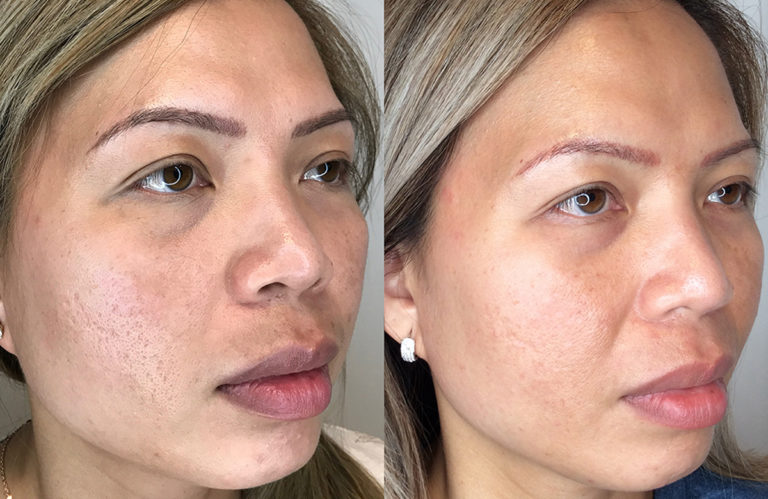

Skin health changes over time due to age, cumulative sun exposure, and various environmental factors. The structural proteins that keep skin firm begin to degrade, leading to visible signs of aging. Patients can seek ways to restore a more youthful appearance without undergoing invasive surgical procedures, and microneedling has emerged as a widely utilized method for addressing these common skin concerns.
What Is Microneedling?
Microneedling is a minimally invasive cosmetic procedure utilized by medical aesthetic professionals. Practitioners use a specialized device equipped with sterile, tiny needles to puncture the top layer of the skin. These precise micro-injuries initiate the body’s natural wound-healing cascade. Providers can safely target various areas, including the face, neck, upper chest, and hands. Some clinics offer advanced variations of the procedure, and a common form implements platelet-rich plasma (PRP) into the session. This advanced technique delivers concentrated growth factors directly into the treated tissues. The addition of PRP aims to amplify the healing response and enhance the overall rejuvenation process.
How Does It Rejuvenate Skin?
The primary mechanism behind this treatment involves the natural stimulation of collagen and elastin production. These two proteins act as the foundational building blocks of the skin; it maintain’s the skin’s structural integrity, firmness, and elasticity. As the body repairs the tiny punctures created during the session, new, healthy tissue forms in place of older, damaged skin cells.
Providers utilize this biological response to soften the appearance of fine lines and wrinkles, and it refines and smooths enlarged pores and rough, uneven textures across the face. Patients presenting with acne scars or surgical scars can seek this option to create a more uniform skin surface. The controlled injury breaks down old scar tissue and encourages remodeling. The targeted approach also addresses hyperpigmentation and sun damage by lightening dark spots and promoting a more even tone. On the body, practitioners may apply the technique to reduce the visibility of stretch marks.
What Should You Expect?
Prior to beginning the session, your provider can apply a topical numbing cream to the targeted area. This minimizes discomfort. A typical appointment lasts under an hour, but this depends on the size and number of the regions undergoing treatment. You might feel light pressure as the device moves across the skin surface.
You can experience mild redness and minor swelling immediately following the appointment. These side effects are similar to the sensation of a mild sunburn, and they typically resolve within one or two days. The procedure typically requires no formal downtime, allowing individuals to resume their normal daily routines promptly.
Multiple sessions generally yield the best, most noticeable outcomes. A practitioner might suggest an initial series of one to three appointments spaced approximately four weeks apart. Maintenance visits occur once or twice a year to sustain the restorative benefits. Because the body takes time to generate new collagen and elastin naturally, final results gradually become visible over a period of about three months following the completion of the treatment plan.
Seek Professional Aesthetics Care
A professional will evaluate your specific skin concerns, review your medical history, and determine if this procedure aligns with your aesthetic goals. They can also provide aftercare instructions; it is typically advised to avoid direct sun exposure and apply gentle skincare products. Proper aesthetic care requires a customized approach, combining clinical expertise with a focus on long-term skin health.