
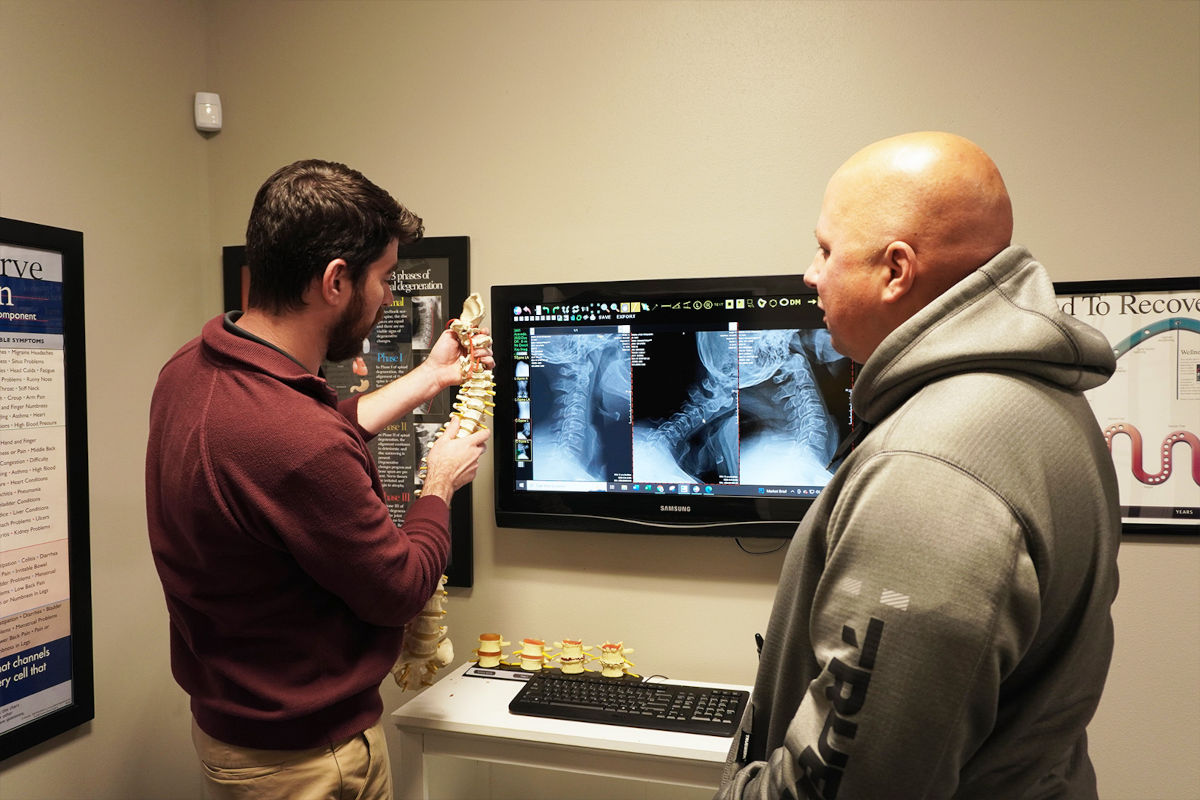

Technology has impacted how patients access, understand, and manage spine-related care. A spine doctor can use digital imaging and advanced diagnostic tools to assess symptoms, explain treatment options, and support personalized care. Here is a closer look at the impact of technology on spine doctor consultations:
Improves Diagnostic Accuracy
Technology supports a detailed review during a spine doctor consultation. It gives the provider organized information, and it may reduce gaps in the patient record. Here are some key components that may improve diagnostic accuracy:
- Digital imaging and 3D scans: Imaging tools create clear views of the spine and nearby structures. A spine doctor reviews these images with the patient, and the images help explain the location of certain findings.
- Motion tracking software: Some clinics use sensors or video-based tools to record how the back moves. This information may show patterns in bending, walking, or posture during the visit.
- Electronic health records: Digital records keep test results, visit notes, and prior reports in one place. A provider reviews this information before or during the appointment to keep the consultation focused.
These tools provide an organized starting point for the clinical review. The doctor still relies on patient history, physical exam findings, and professional judgment.
Expands Access Through Telehealth
Telehealth gives patients another way to speak with a spine doctor when an in-person visit is not practical. A secure video visit often works well for an initial discussion, a records review, or a follow-up conversation. The patient can describe symptoms, show basic movement, and ask questions from home. This option may help people who live far from a clinic, have limited travel options, or need a faster way to discuss non-urgent concerns. A patient uploads prior imaging reports or complete intake forms before the video visit, and the provider can review them during the call.
Personalizes Treatment Plans
Digital tools can help a spine doctor tailor the consultation to the patient’s history and goals. Software may be used to consolidate imaging reports, symptom notes, activity levels, and prior visit data into a single view. When the provider has these details, the discussion can focus on the patient’s current needs instead of repeating basic background information.
Patient portals also make instructions easier to access after the visit. A clinic may share exercise guidance, appointment notes, or referral details through a secure online account. Digital models or visual aids explain the spine, and patients may review the material later if they need a reminder.
Supports Recovery and Follow-Up
Technology often remains part of care after the first spine doctor consultation. Follow-up tools can help patients track activity, send questions, and review instructions between visits. Here are key components that support follow-up care:
- Wearable monitoring devices: Smart devices can record steps, activity time, or basic movement trends. The doctor may use this information as part of a broader follow-up discussion.
- Secure patient portals: Portals allow patients to send messages, review visit summaries, and access clinic instructions. This provides the patient with information, especially when several steps are discussed during the appointment.
- Automated reminders: Text or app reminders can prompt patients to complete assigned tasks, such as forms or scheduled visits. These reminders keep the follow-up process structured.
Digital follow-up tools work best when patients use them as directed by the clinic. The doctor may review the available information during later visits and adjust the discussion as needed.
Visit a Spine Doctor Today
Technology complements how a doctor prepares for visits, reviews information, and supports follow-up care. Imaging tools, telehealth, patient portals, and wearable devices can make consultations more organized and easier to understand. These tools support the visit, but they do not replace a direct clinical evaluation. Contact a qualified spine doctor near you today to schedule your appointment for back or spine-related concerns.