
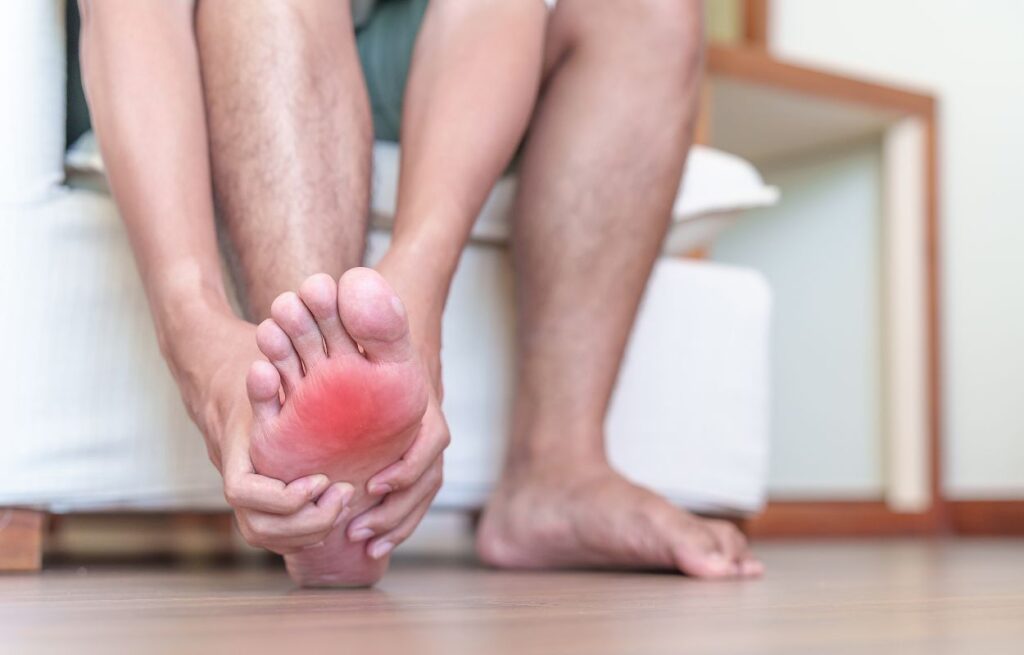

Individuals experiencing recurring foot pain can face challenges when performing standard activities such as walking, standing, or climbing stairs. Understanding the underlying mechanisms of this pain serves as the first step toward finding relief, and identifying the root cause allows medical professionals to recommend appropriate interventions. By addressing the source of the discomfort directly, patients can work toward restoring their physical function and improving their daily life.
What Causes Foot Pain?
Numerous structural issues and systemic conditions generate foot pain. Sprains happen when ligaments stretch beyond their normal capacity, often resulting from sudden twisting motions. Patients frequently report visible swelling and experiencing difficulty bearing weight on the ankle following these specific incidents. Joint deterioration, such as arthritis, leads to persistent stiffness and swelling over time. A specific type of arthritis known as gout triggers intense, sudden joint pain due to uric acid crystal accumulation, frequently targeting the base of the big toe.
Nerve-related conditions also contribute to persistent distress. Neuropathy involves nerve damage that produces numbness or burning sensations, frequently linked to systemic issues like diabetes. Neuromas involve benign nerve tissue growths between the toes that create sharp, shooting pain and imitate the feeling of standing on a small stone.
Mechanical and structural problems present another category of causes. Flat feet occur when the arches collapse, inducing foot fatigue and aches. Tendon issues, including Achilles tendonitis or tendon ruptures, create pain at the back of the ankle and can be the result of overuse. Some athletes experience turf toe, which is a sprain of the main joint in the big toe, or they may develop stress fractures caused by repetitive movements and continuous pressure.
How Is It Managed?
Patients can adopt several strategies at home to mitigate mild or moderate symptoms before seeking clinical care. Resting the affected area prevents further irritation and provides damaged tissues an opportunity to heal. Applying ice packs for short intervals can constrict local blood vessels, which reduces inflammation and temporarily numbs the affected tissues. Footwear selection plays a role in symptom management. Wearing shoes with proper arch support and adequate cushioning relieves excessive pressure on sensitive areas of the foot. While these methods provide temporary relief for minor ailments, persistent symptoms require professional evaluation to prevent long-term structural damage.
How Is It Medically Treated?
Clinical intervention begins with a thorough diagnostic process to pinpoint the exact origin of the symptoms; medical providers typically start by conducting physical examinations. Physicians routinely utilize imaging studies such as X-rays, ultrasounds, MRI scans, or CT scans to observe hidden bone structures and internal soft tissues. Nerve conduction tests or blood panels help identify underlying systemic conditions, like gout.
Once a diagnosis is established, physicians develop targeted treatment protocols. Conservative clinical options include custom orthotic devices placed inside shoes. Structured physical therapy programs strengthen surrounding supporting muscles and improve overall joint stability. Physicians can administer localized corticosteroid injections to deliver concentrated anti-inflammatory medication directly to the affected joint or inflamed tissue. When conservative measures fail to provide relief, podiatric surgeons may perform arthroscopic surgery or tendon repair procedures.
Meet With a Podiatrist
Seeking care from a specialized foot and ankle physician provides patients with access to diagnostic tools and allows them to pursue advanced therapeutic options. A podiatrist possesses the training required to accurately evaluate complex lower extremity issues. To maximize the value of an initial consultation, patients should track their symptoms prior to the appointment. Taking these proactive steps helps the medical team formulate the most effective and personalized treatment strategy for your unique situation.