
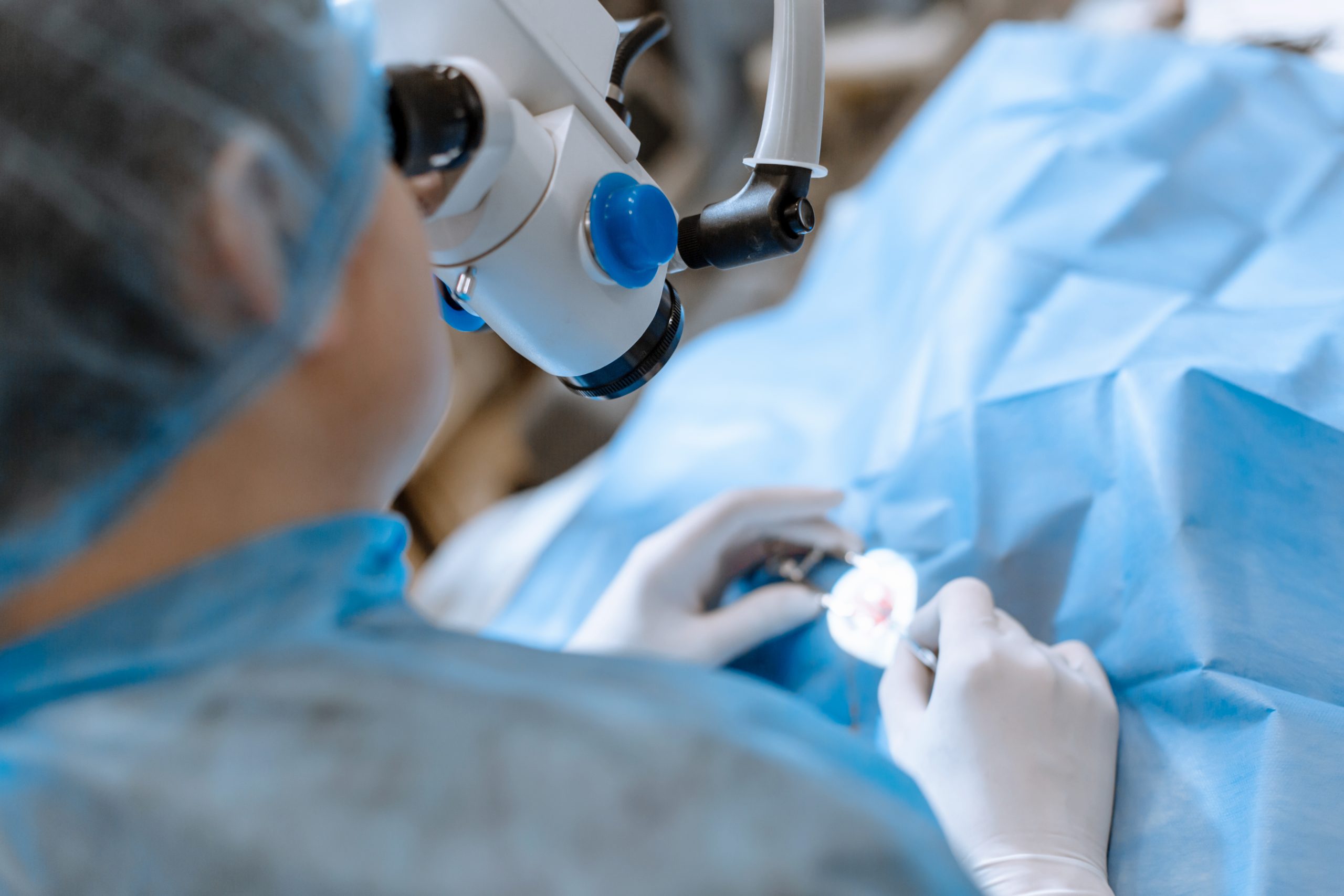

Glaucoma is a group of eye conditions that can damage the optic nerve and lead to progressive vision loss. The disease often develops gradually and are able to not cause noticeable symptoms in its early stages. Eye care professionals use regular examinations and diagnostic testing to detect glaucoma and monitor changes in eye health. Although glaucoma cannot be cured, advances in medical and surgical treatments help manage the condition and preserve vision. Here is more information on the future of glaucoma treatment surgery:
Disease Diagnostics
Diagnosing Glaucoma typically begins with a comprehensive eye examination that evaluates overall eye health and measures intraocular pressure. Eye care providers use several diagnostic tools to identify signs of glaucoma and assess the risk of optic nerve damage. Early detection is a helpful part of monitoring the condition and preserving vision.
One common diagnostic test is tonometry, which measures the pressure inside the eye. During the procedure, numbing eye drops might be applied before a specialized instrument evaluates intraocular pressure. Elevated pressure is able to be a risk factor for glaucoma, although the disease can sometimes occur even when eye pressure falls within a normal range.
Pressure Management
Managing eye pressure is a primary goal in the treatment of Glaucoma. Increased intraocular pressure can damage the optic nerve over time, leading to progressive vision loss. Eye care professionals monitor pressure levels closely and recommend treatment strategies based on the type and severity of the condition.
Open-angle glaucoma is the most common form of glaucoma and develops gradually over many years. In this condition, the eye’s drainage system becomes less efficient, causing fluid to accumulate and pressure to increase slowly. Because symptoms often do not appear in the early stages, routine eye examinations play a key role in detecting and monitoring the disease.
Acute angle-closure glaucoma occurs when the eye’s drainage pathway becomes blocked, causing a rapid rise in intraocular pressure. This form is less common but is still a medical emergency due to the risk of sudden optic nerve damage and vision loss. Patients may require prompt treatment, including surgical procedures or other interventions, to restore fluid drainage and reduce pressure within the eye.
Treatment Advancements
Treatment options for Glaucoma continue to advance as researchers and eye care specialists develop new ways to manage intraocular pressure. In the early stages of the disease, prescription eye drops are commonly used to reduce pressure and slow the progression of optic nerve damage. Regular monitoring helps providers determine whether additional treatment is needed over time.
For more advanced cases, surgical procedures may be recommended to improve fluid drainage and lower pressure within the eye. Modern surgical techniques and specialized technologies have expanded treatment options while supporting more efficient recovery periods for many patients. Ongoing advancements in glaucoma care continue to improve outcomes and provide additional tools for preserving long-term vision.
Schedule Your Glaucoma Evaluation
Medical professionals provide comprehensive eye examinations to evaluate vision and detect conditions such as Glaucoma. Many eye care practices also offer services for dry eye management, astigmatism correction, and other vision-related concerns. Routine examinations help identify changes in eye health before symptoms become severe. Early detection and treatment can help reduce the risk of further optic nerve damage and vision loss. Call an office today to schedule an appointment and learn more about protecting your eye health.