
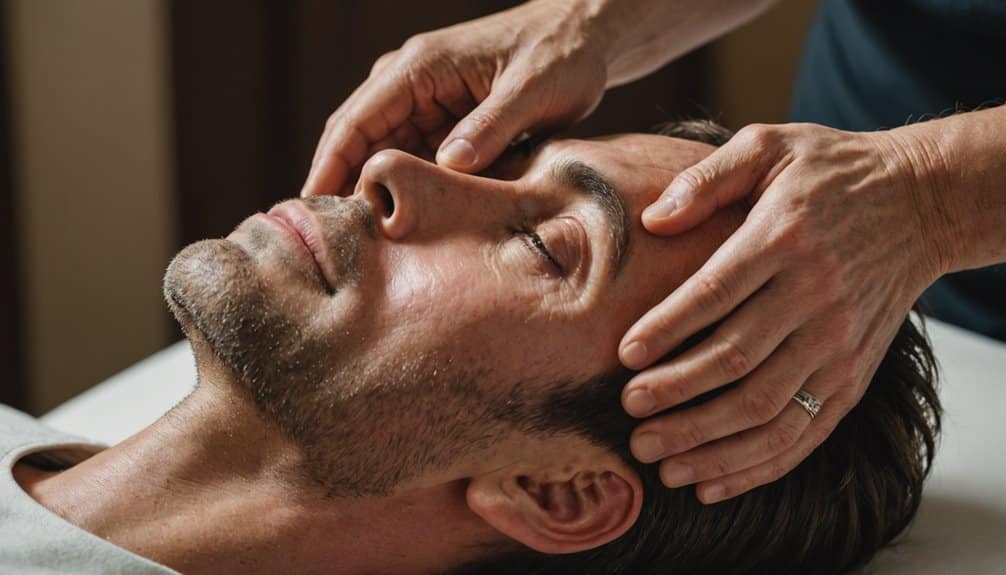

Acupuncture involves inserting thin needles into specific points on the body, and practitioners use it to address a range of physical conditions. Headaches are among the major complaints in acupuncture clinics. The technique works by interacting with the body’s nervous, hormonal, and circulatory systems. Here is more information about this treatment when used for headaches:
Targeting Pressure Points
Acupuncturists identify precise locations on the body called acupoints, and they insert needles at these sites to produce a physiological response. The most frequently used points for headaches include areas on the hands, feet, and scalp. When a needle enters an acupoint, it stimulates nerve fibers in the surrounding tissue.
Standard acupoints targeted for headache relief include:
- LI4 (Hegu): Located between the thumb and index finger
- GB20 (Fengchi): Found at the base of the skull
- ST36 (Zusanli): Positioned below the knee on the outer leg
Each point corresponds to specific nerve pathways, and practitioners select them based on headache type and location. Tension headaches typically respond to points along the neck and shoulders. Migraine protocols may target points on the feet and lower legs.
Releasing Endorphins and Hormones
Needle insertion triggers the release of endorphins, the body’s natural pain-modulating compounds. Endorphins bind to receptors in the brain, and this process may reduce the intensity of pain signals. Since the nervous system responds directly to needle stimulation, the effect occurs relatively quickly.
Stimulating the Circulatory System
Needle placement near blood vessels prompts localized vasodilation, which increases blood flow to the area. Improved circulation delivers oxygen and nutrients to tense or inflamed tissue. Practitioners use this mechanism specifically to address headaches caused by muscle tension or restricted blood flow.
The scalp and neck contain a dense network of blood vessels. Acupuncture applied to these regions can reduce constriction that contributes to headache onset. The treatment is typically applied in short sessions.
Some practitioners combine needling with techniques such as:
- Cupping: Uses suction to increase blood flow in targeted areas
- Heating: Applies heat near acupoints to stimulate circulation
These complementary methods follow the same circulatory principles as standard needling. They are used when needles alone produce a limited response. A practitioner selects the approach based on the patient’s symptom pattern and physical presentation.
Relieving Pain
Acupuncture interrupts pain signals before they reach the brain’s processing centers. The gate control theory of pain helps explain this mechanism. Needle stimulation activates non-pain nerve fibers, and those fibers compete with pain signals traveling the same pathways.
Chronic headache sufferers typically show altered pain sensitivity in the nervous system. Regular acupuncture sessions work to recalibrate these sensitivity thresholds over time. Since the nervous system is highly adaptable, treatment effects tend to accumulate across multiple sessions.
Tension-type headaches may respond to acupuncture through muscle relaxation. Needles placed in trigger points release tight muscle bands, and this reduces referred pain in the head and neck. The response varies by individual, and practitioners adjust protocols accordingly.
Schedule Acupuncture Sessions Today
Acupuncture offers a structured, evidence-informed approach to headache management. Practitioners tailor each session to the patient’s specific headache pattern and history, and a consistent treatment schedule produces more reliable outcomes than isolated sessions. When you’re ready, contact a licensed acupuncturist today to discuss your headache history and treatment options.